Space Vampires
In space, no one can hear you scream about vampires.

Vampires are like pirates: They don't belong in space, and yet there's a lengthy literary precedent for sticking them up there anyway.
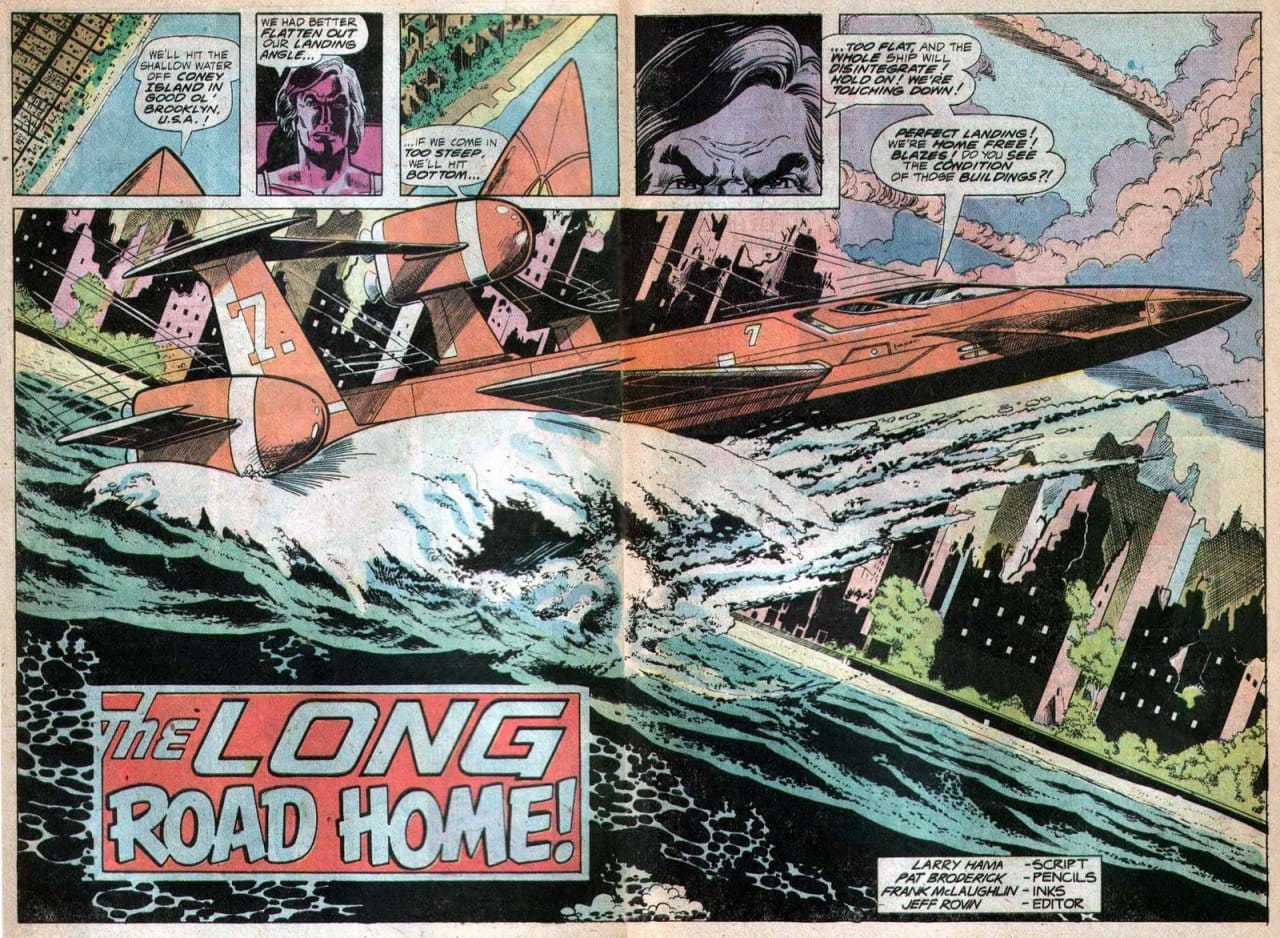
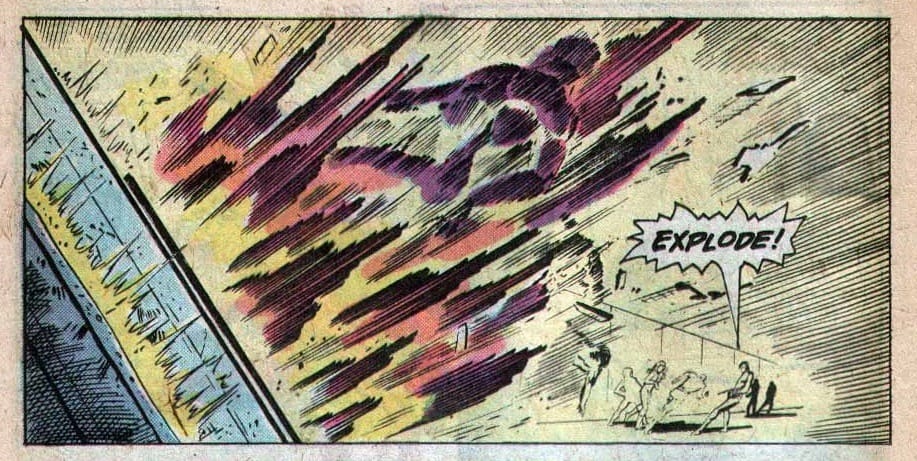
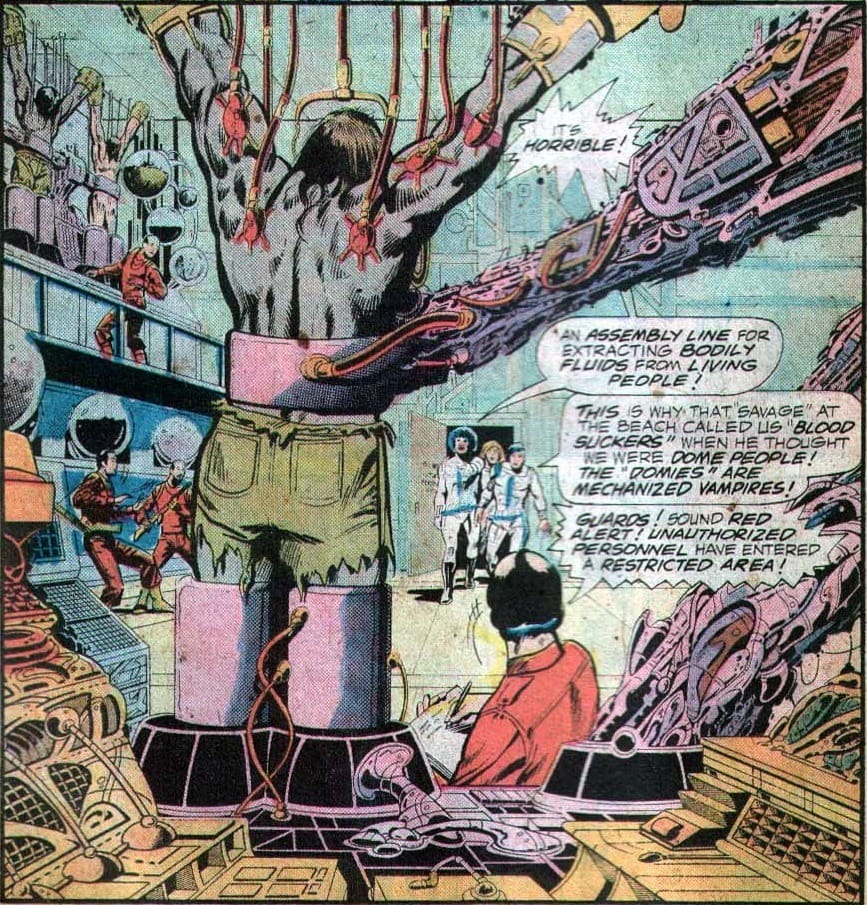
The 1974 comic book Planet of Vampires combined the bloodsuckers with a sci-fi premise: Astronauts return to Earth to find it entirely overrun with vampires. The publisher, Atlas/Seaboard, was ripping off two popular Charlton Heston movies at once: Omega Man (based on Richard Matheson's I Am Legend story) and Planet of the Apes.
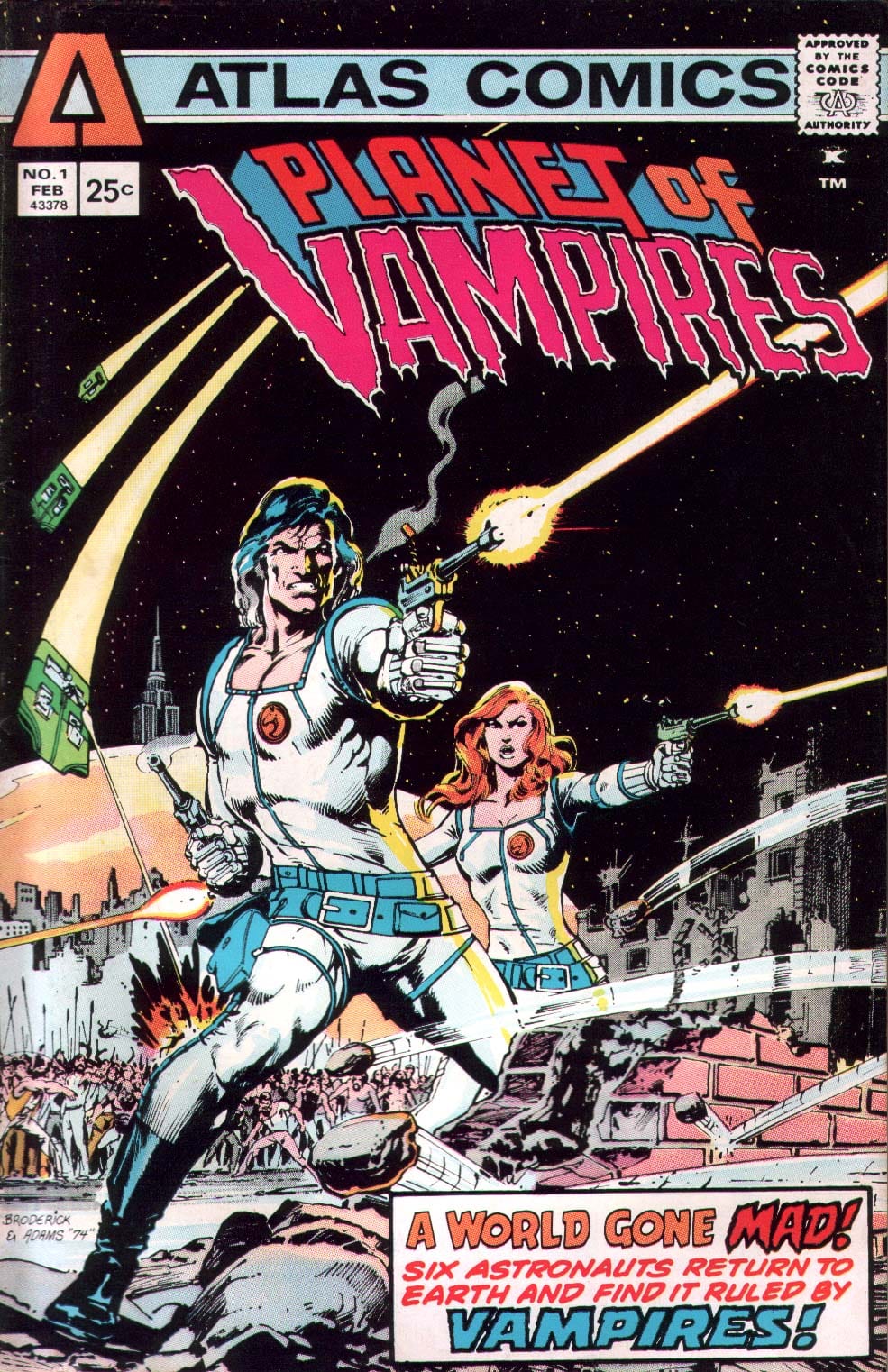
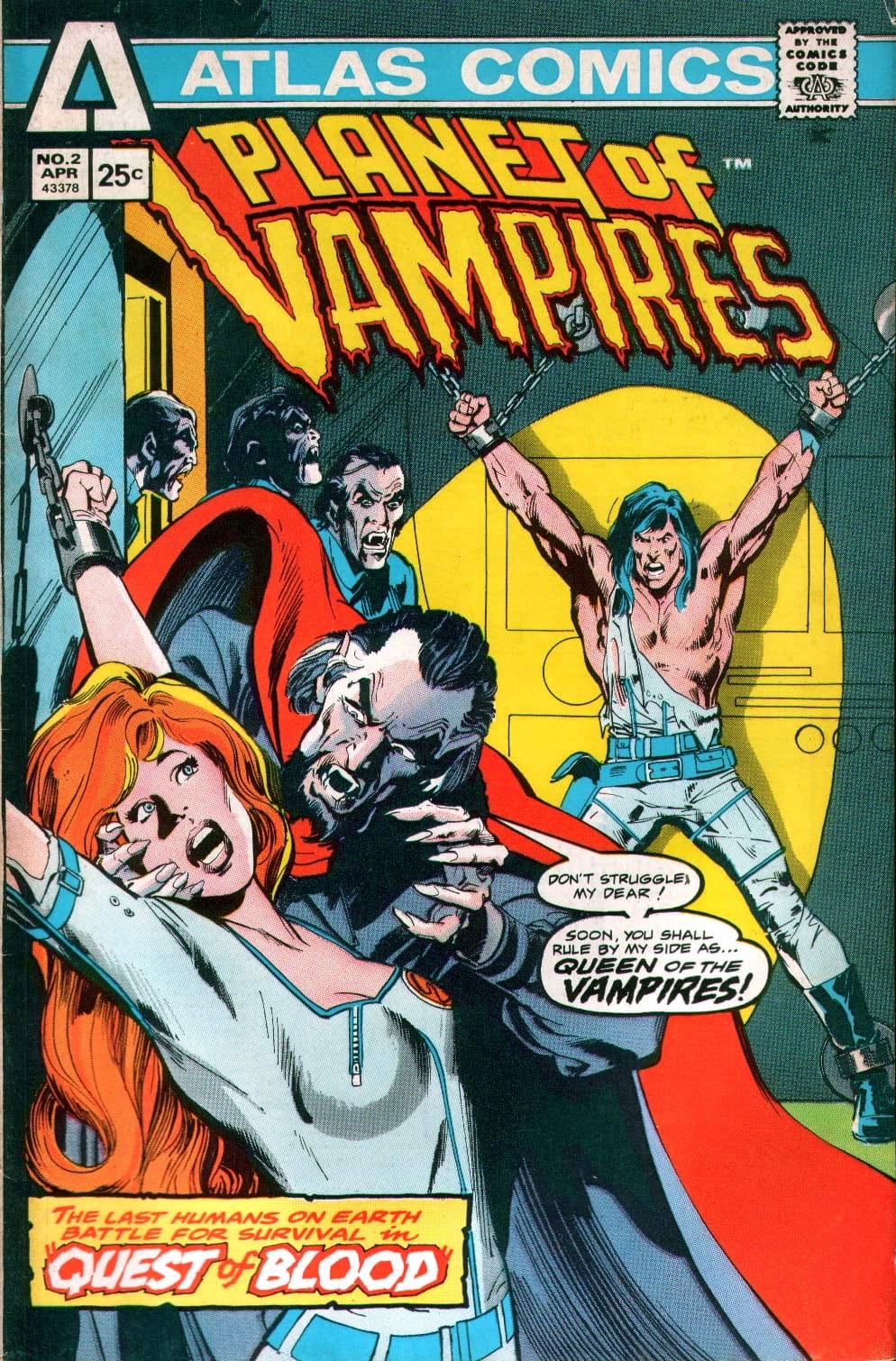
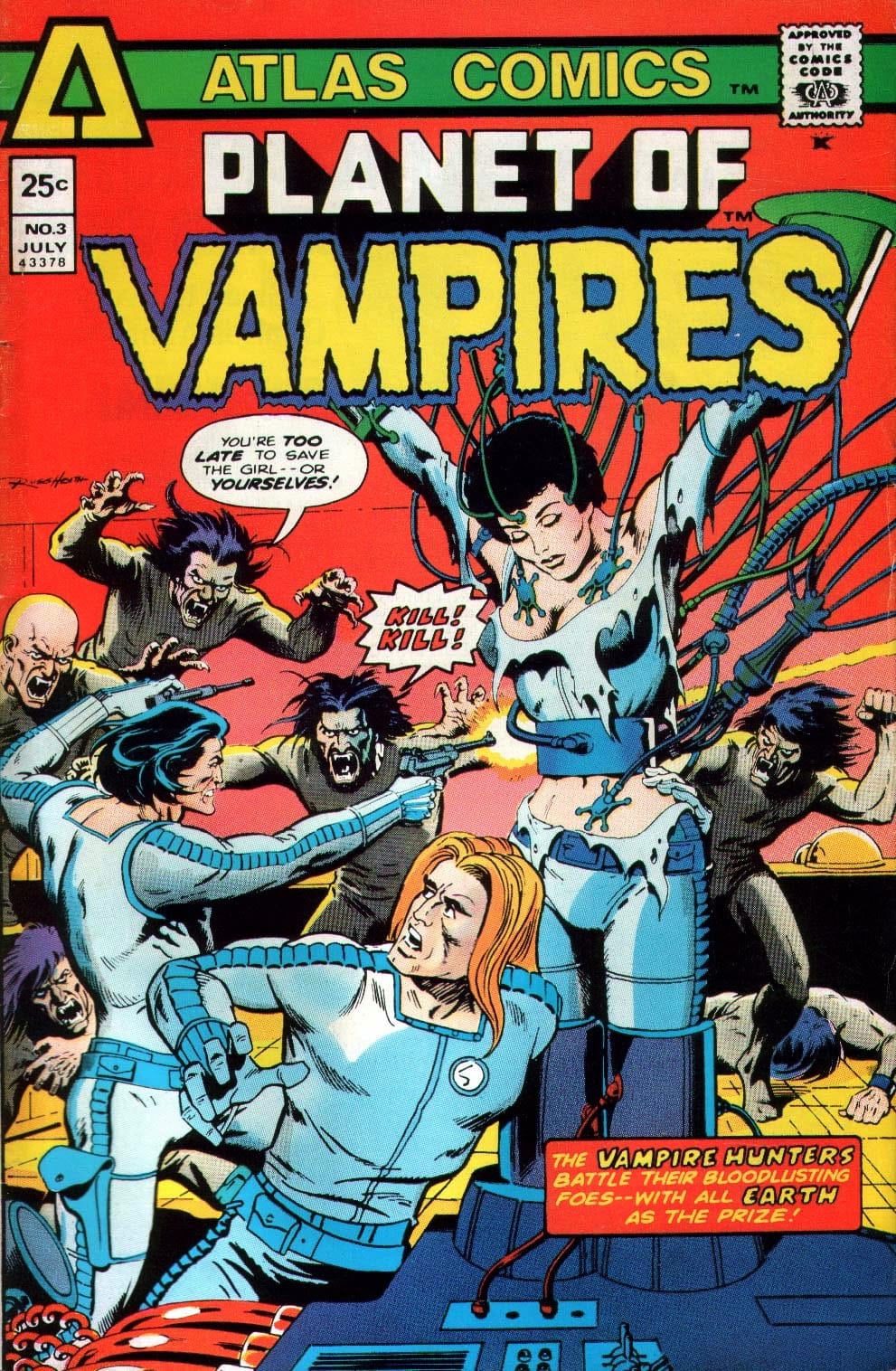
First two issues have art by Pat Broderick; the third has art by Russ Heath
Here are a few panels, with all art by Pat Broderick, but you can read the entire three-issue run over here at the Diversions of the Groovy Kind blog.
The "Choose Your Own Adventure" books got right to the point with Space Vampire in 1987. David B Mattingly's cover is a classic, although I'm puzzled by what looks like the Sun directly behind the vampire.
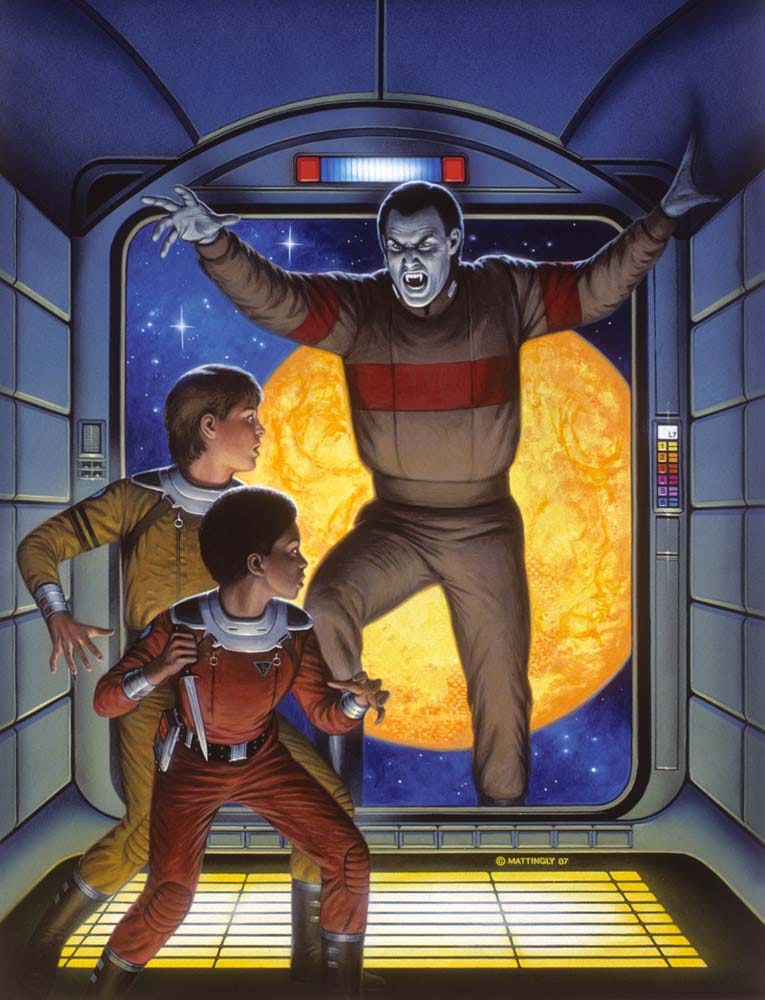
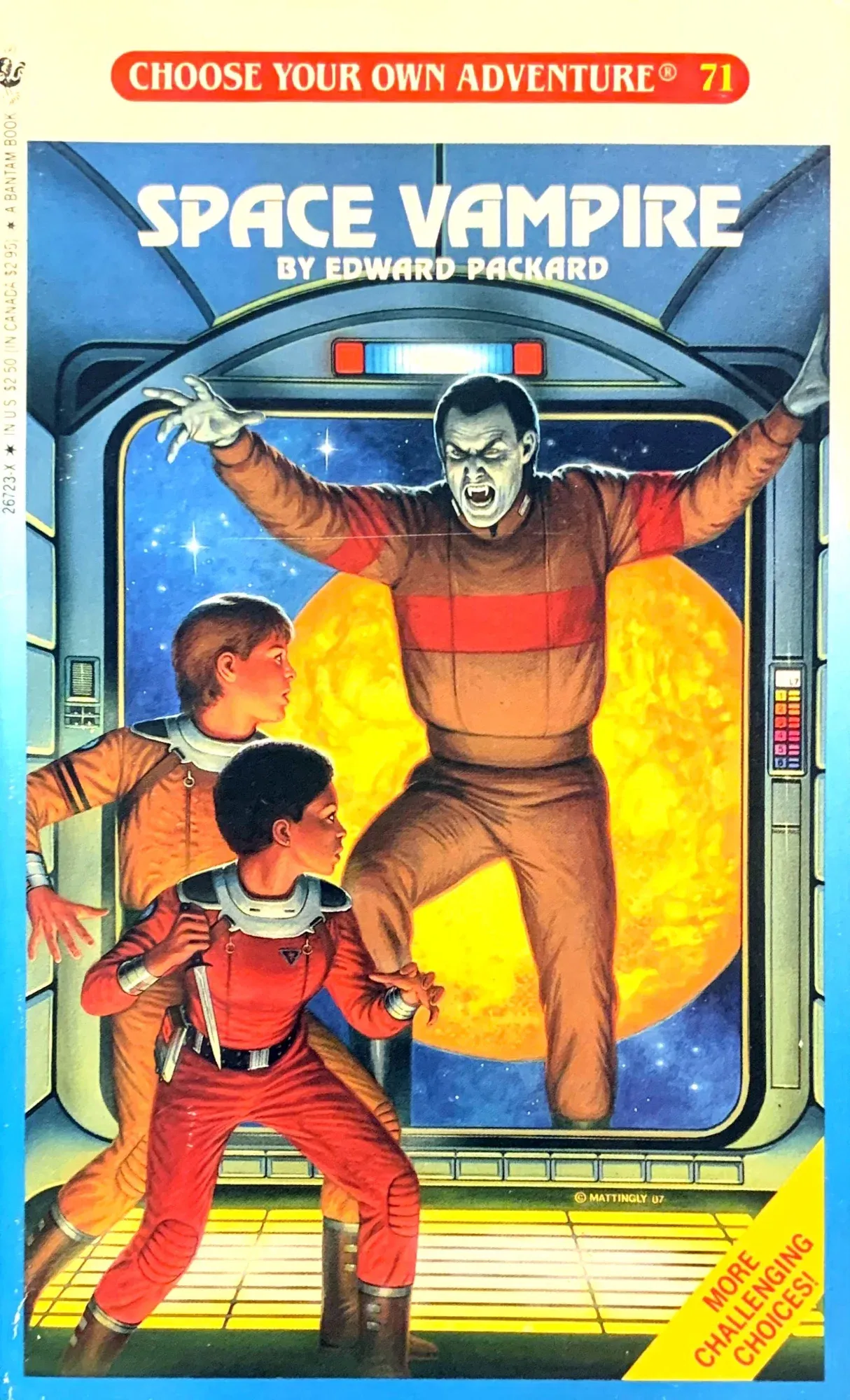
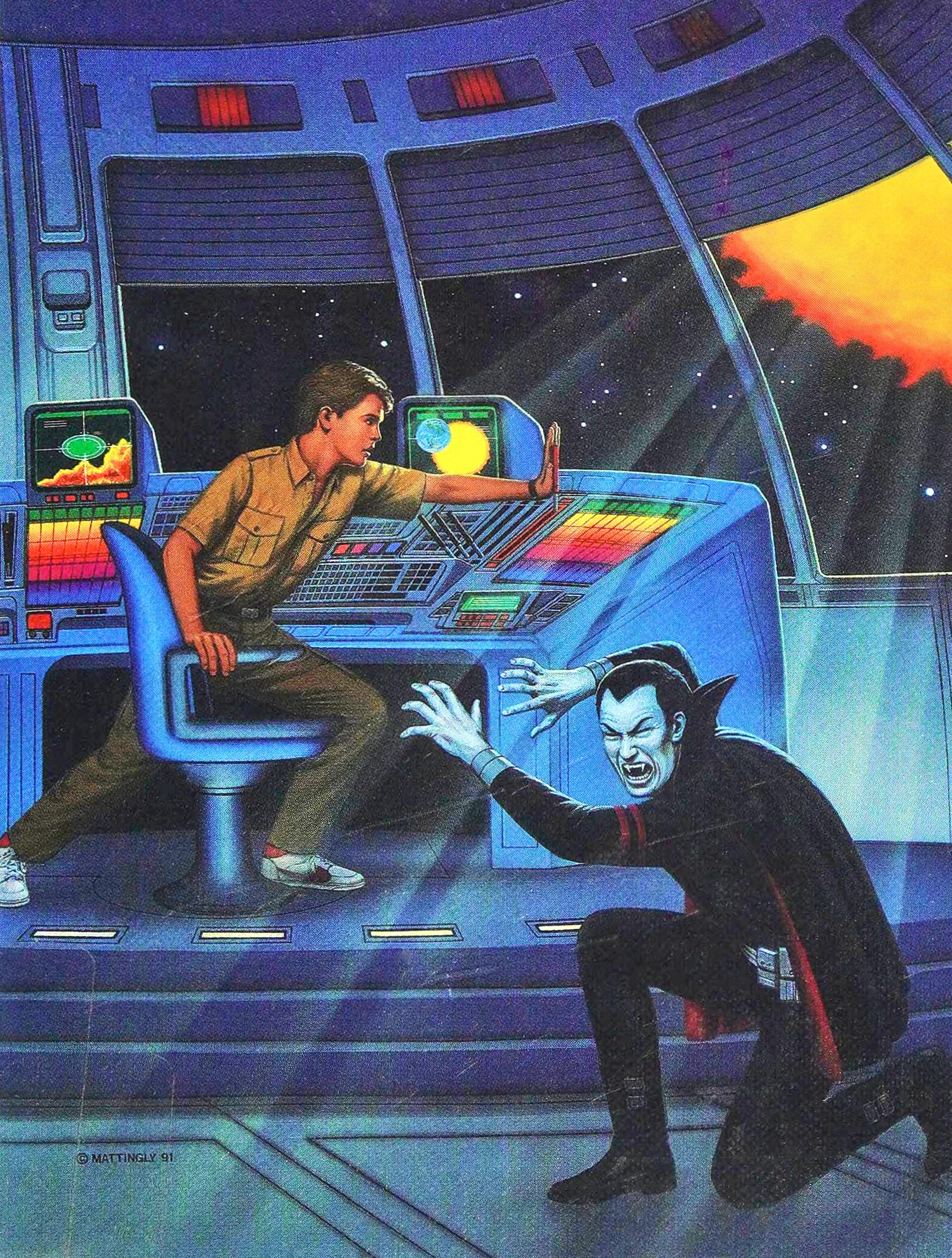
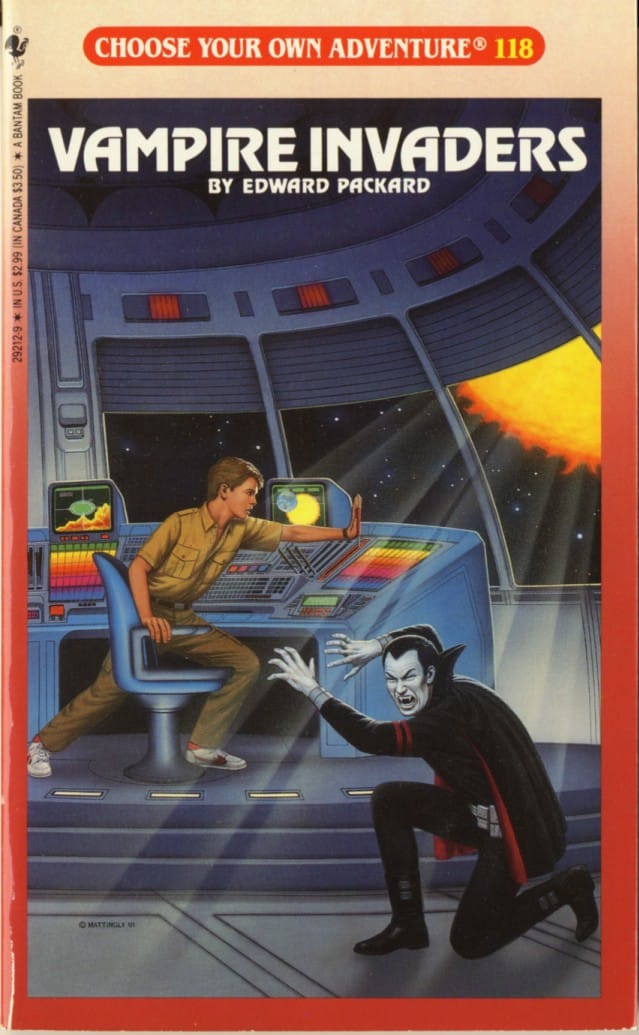
Most reviewers are complimentary of Space Vampire. The franchise must have noticed its popularity at the time, because they wrote a sequel, 1991's Space Invaders. This time, Mattingly's cover depicts the vampire cowering before the raw power of the Sun.
My fellow art book author Sarah Elizabeth was the one who suggested this topic, and she mentioned Catherine L. Moore's 1933 short story "Shambleau" was relevant.
It's technically about a snake-haired Medusa-esque seductress on Mars, but the vampire parallels (hypnosis, feeding off victim's lifeforce, looking hot) are so clear that the Shambleau herself has to scornfully deny that she's a vampire. A few paragraphs after that, the narration itself adds that "vampire she might be, unhuman she certainly was," and the story has wound up in collections of vampire stories since, so I'm fine including her here.
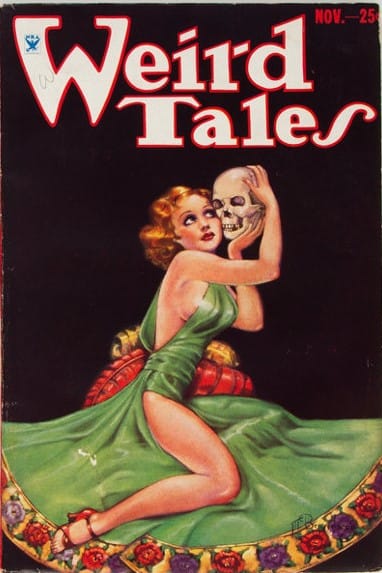
I assume Margaret Brundage's Weird Tales Nov 1933 cover is illustrating this story, although the magazine doesn't appear to clarify (you can read the entire issue online here). Here's that cover, along with Jayem Wilcox's interior art.
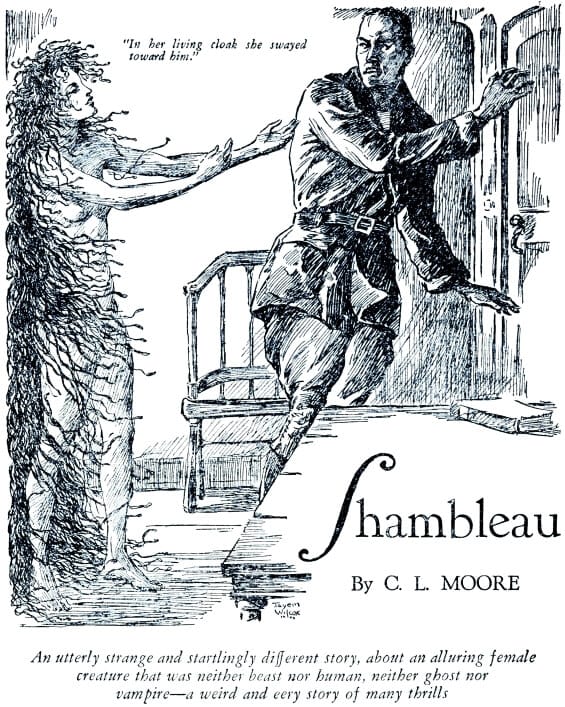
The story was Moore's first publication, and her most famous. George Lucas must have been a fan: More than a few people have suggested both that he borrowed the protagonist's occupation (rascally space smuggler) for Han Solo, and that he swiped the protagonist's weird name format (Northwest Smith) for the name of Indiana Jones.
Here are few more covers. Too Much Horror Fiction has a good writeup of the story, while Fantasy Literature and Reactor mag both have more to say on the Northwest character.
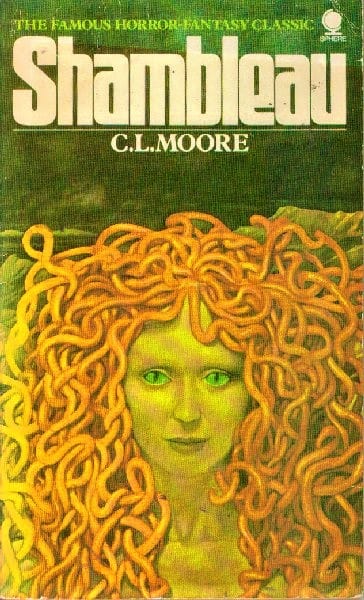
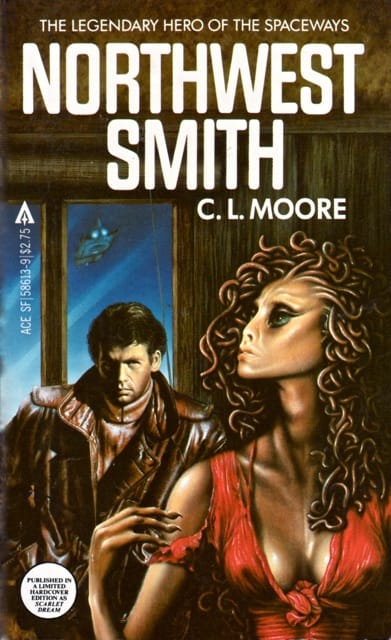
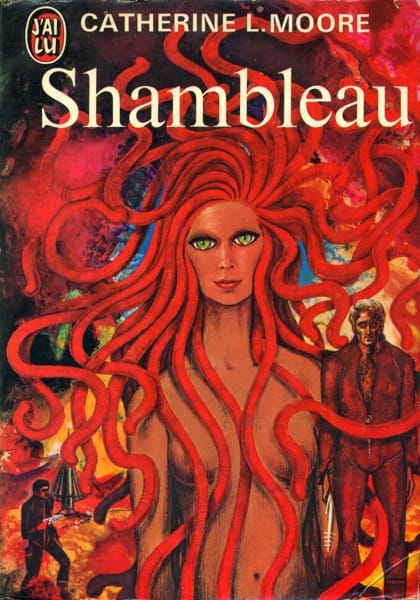
In order, these cover artists are uncredited, Jim Burns, and Alexis Oussenko
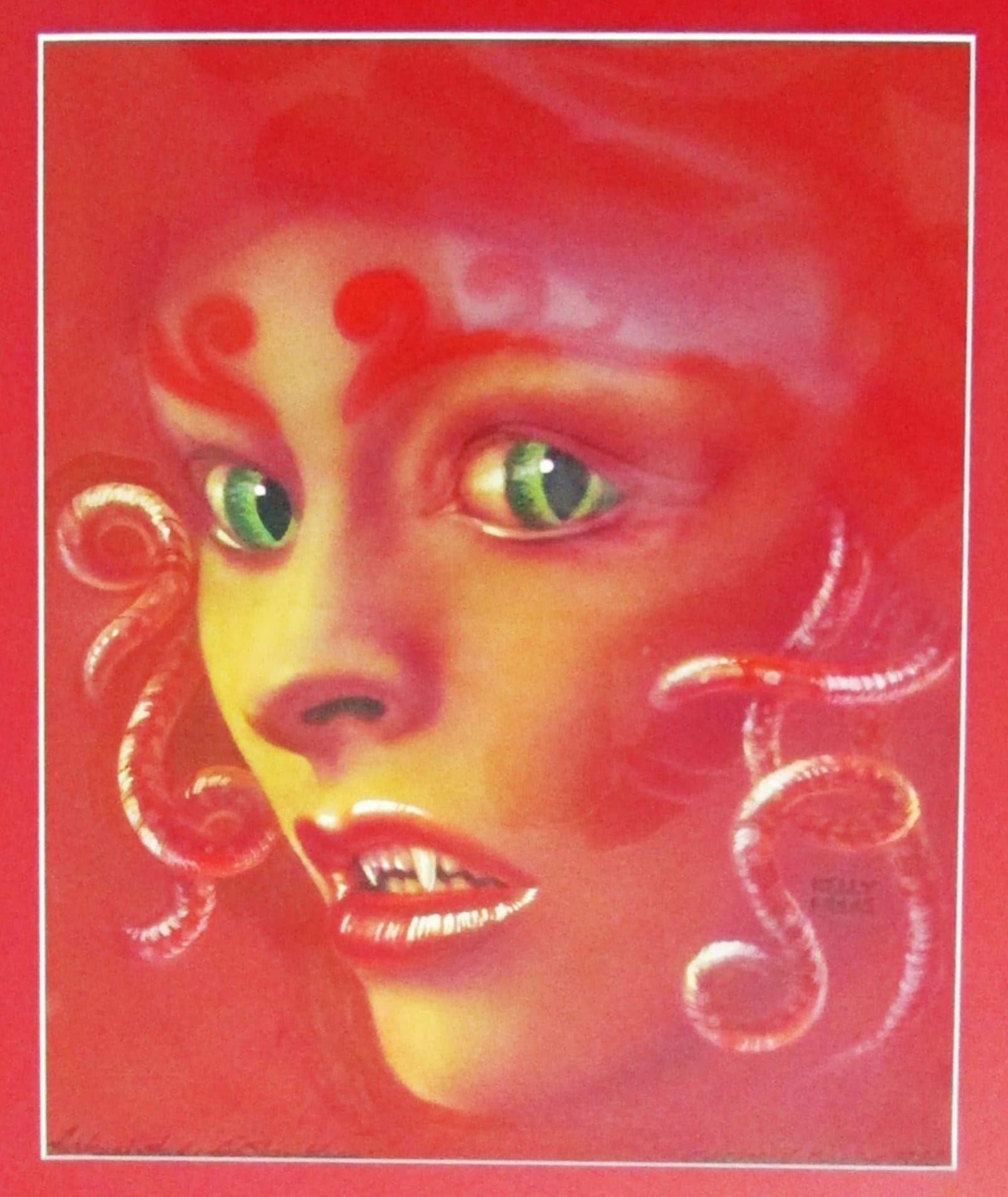
You can also hear Moore reading the entire Shambleau story on YouTube, from a 1980 Caedmon album with this Frank Kelly Freas cover illustration – where Freas couldn't help but include some vampire teeth.
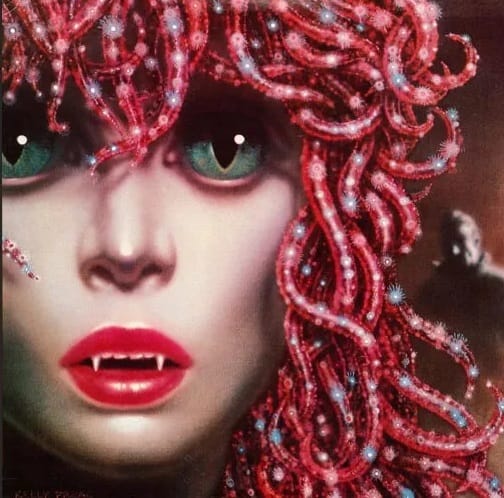
Here's an earlier study Freas did for the album. I like the final version better – having Shambleau staring directly at the viewer adds the eeriness it needs.
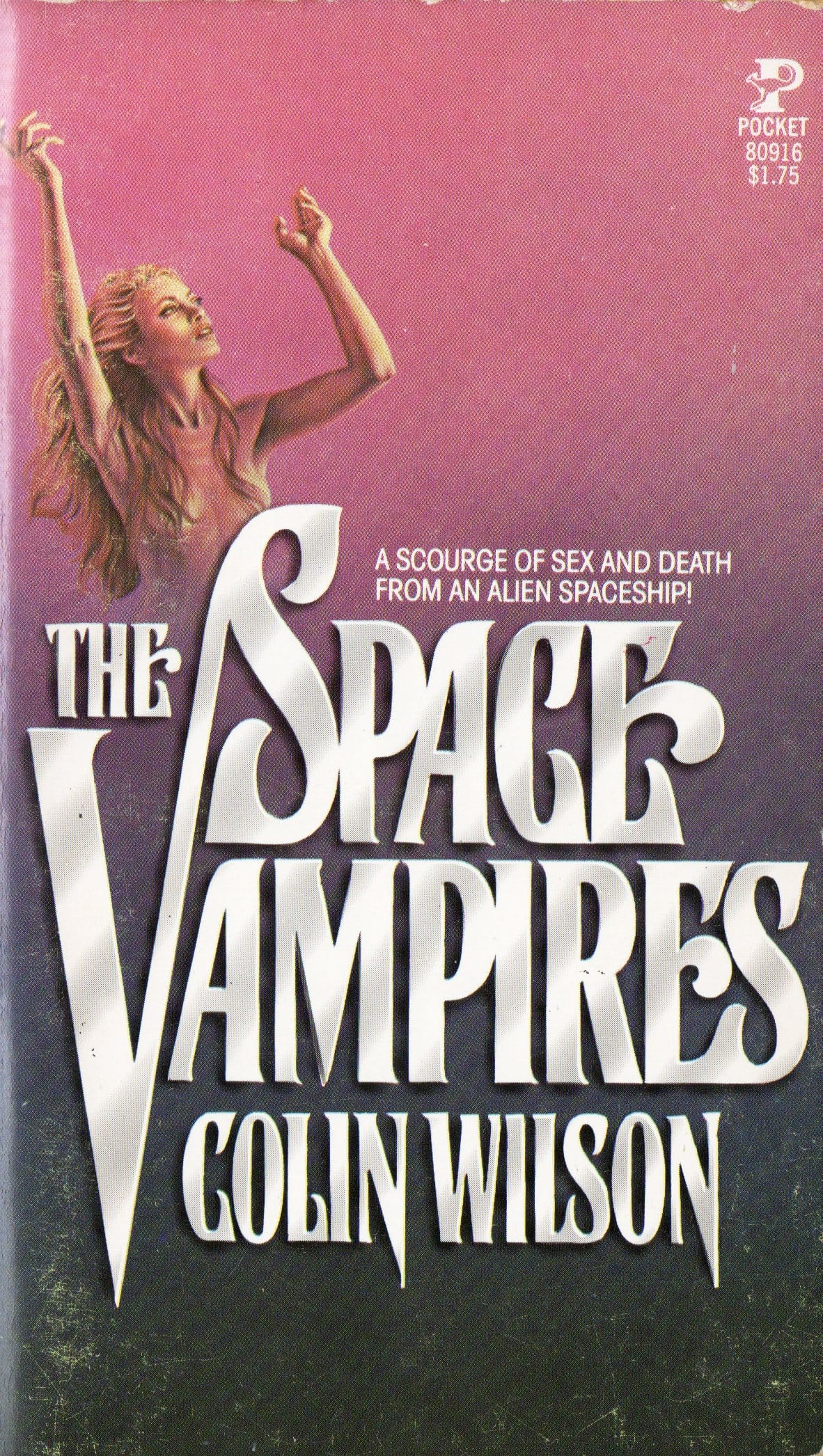
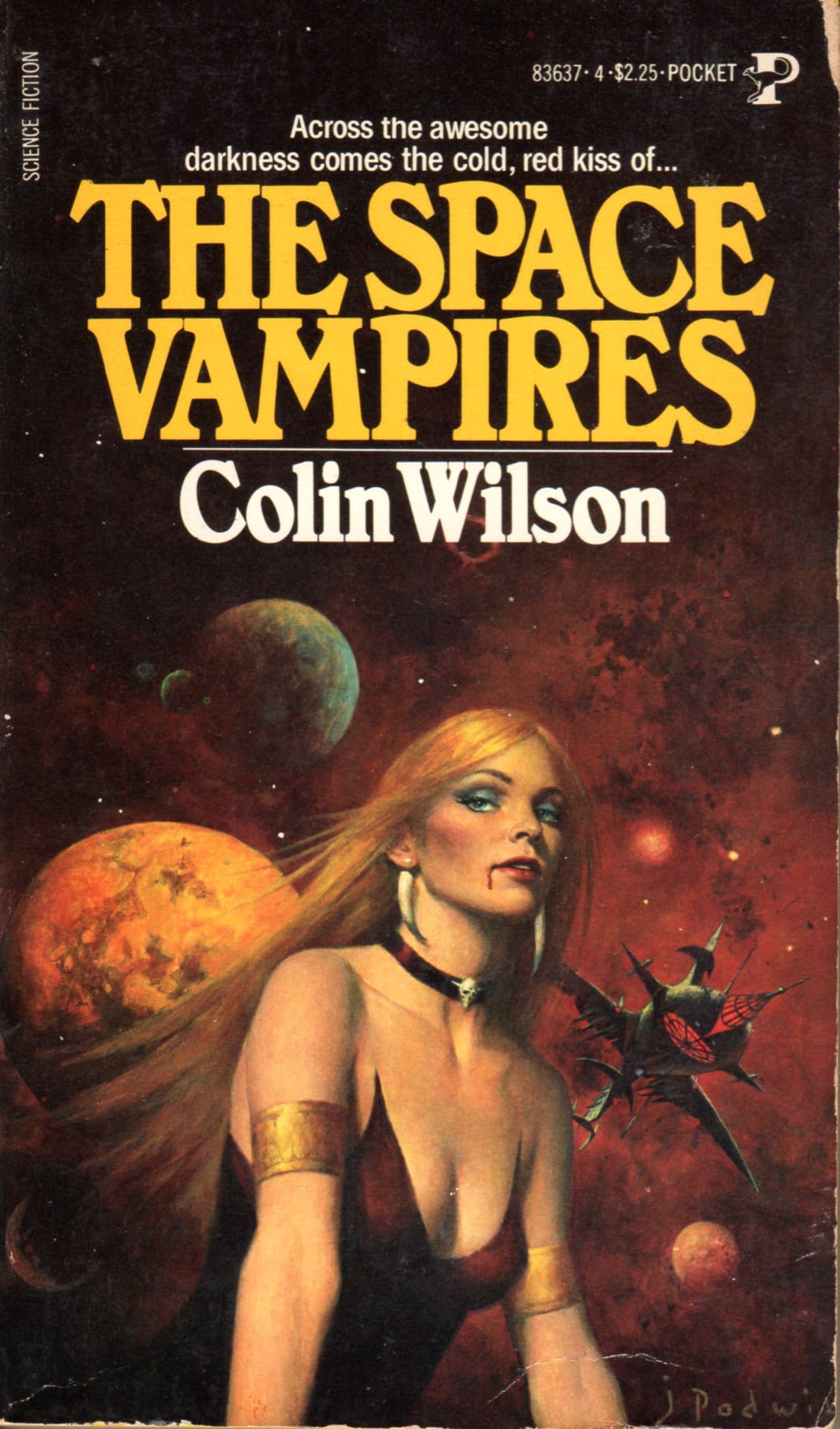
When putting together this post, it was impossible not to feature the 1976 science fiction novel The Space Vampires, by Colin Wilson. It's about aliens who are "energy vampires" and can suck out lifeforce with a kiss before possessing the bodies of their victims – like Shambleau, no cape, fangs, or bloodsucking is required.
"Though the aliens initially appear to be humanoid bat-like creatures, they are subsequently shown to be squidlike, then ultimately revealed to be insubstantial energy-beings from a higher dimension," Wikipedia explains. Perhaps they're possessing the bodies of attractive women, because that's what half of the cover artists have chosen to depict them as.
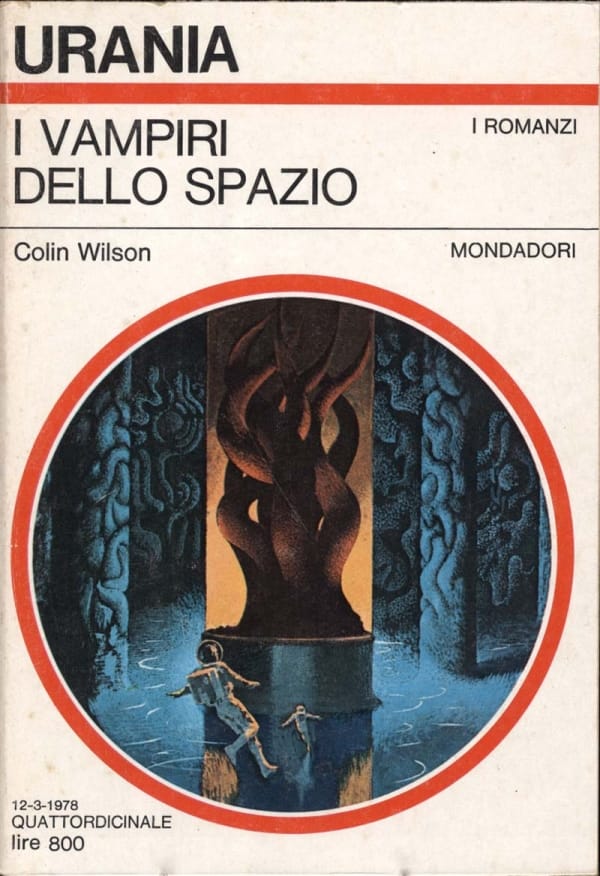
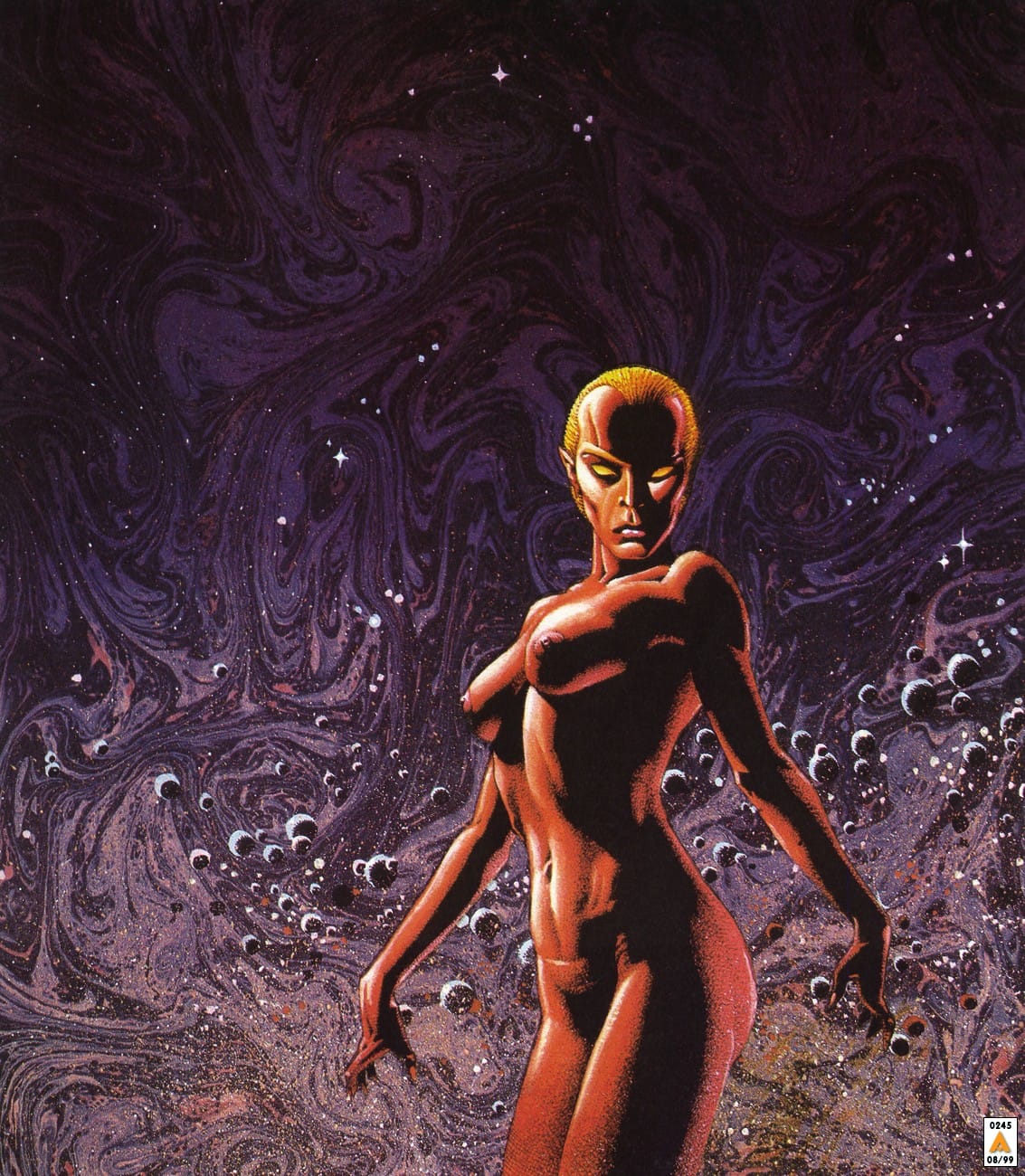
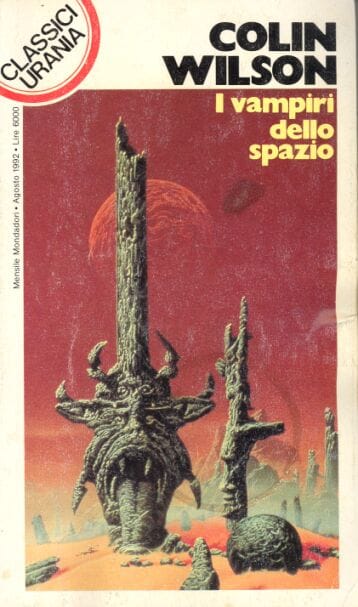
Here's a collection of book covers for the title.
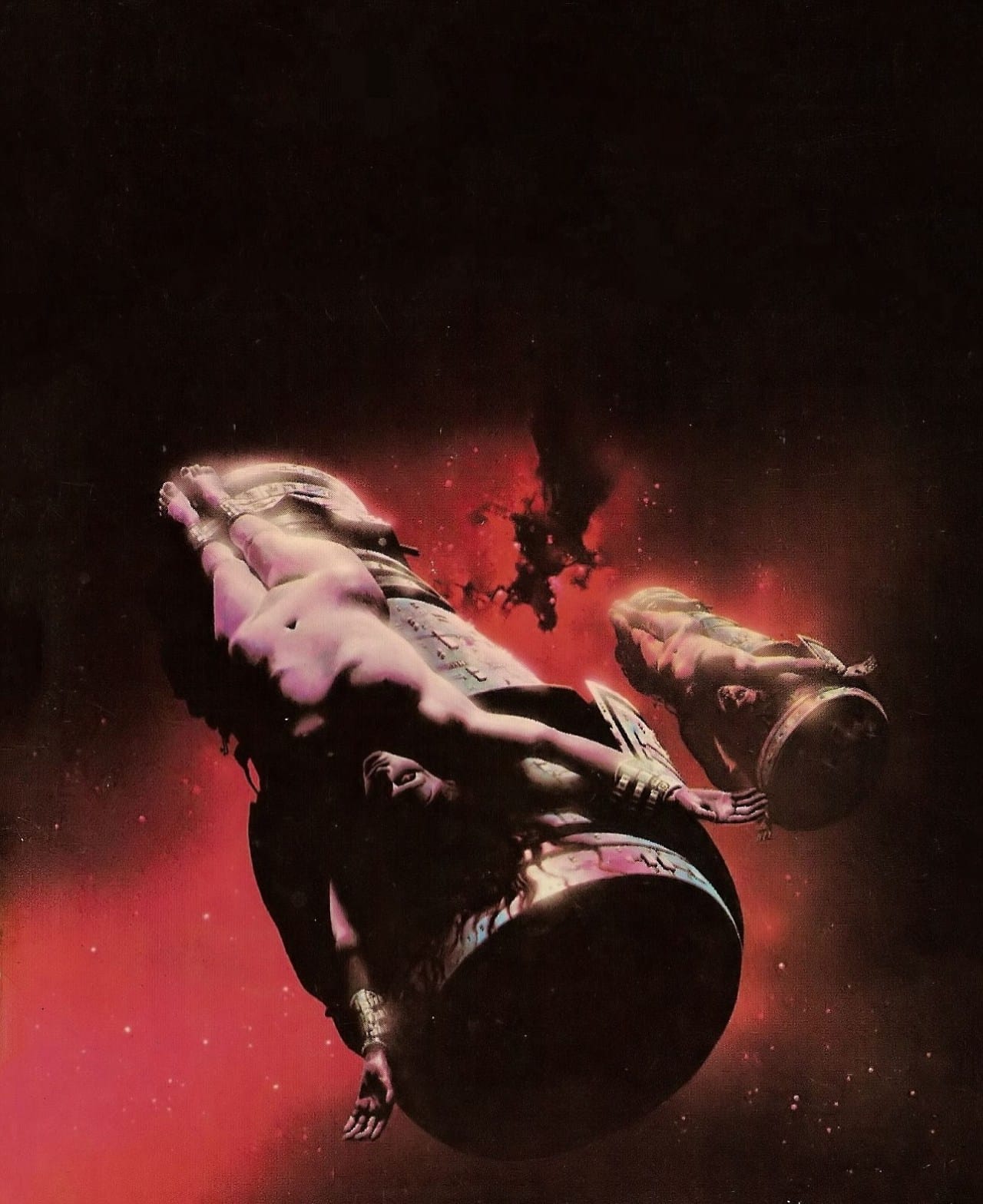
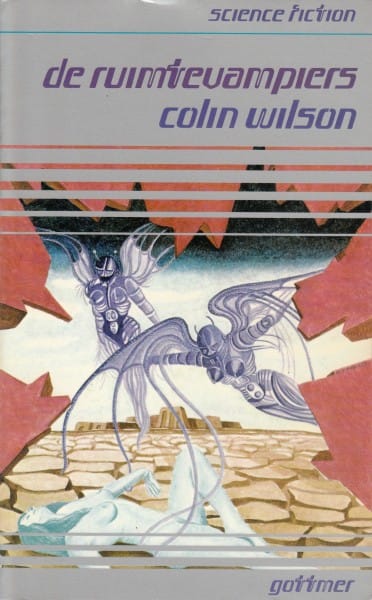
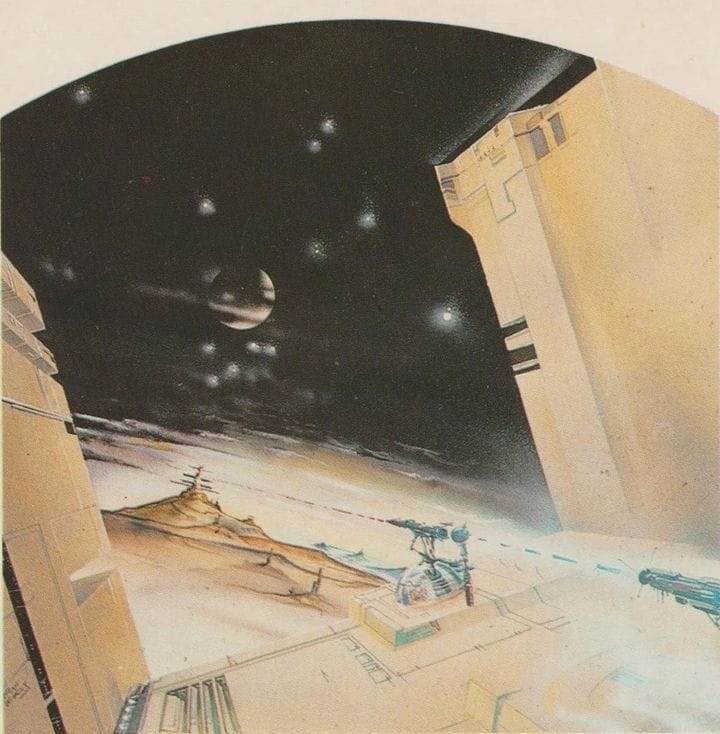
These two Portuguese covers are intriguing, but I couldn't find better versions or artist credits online – ISFDB doesn't even have the second one.
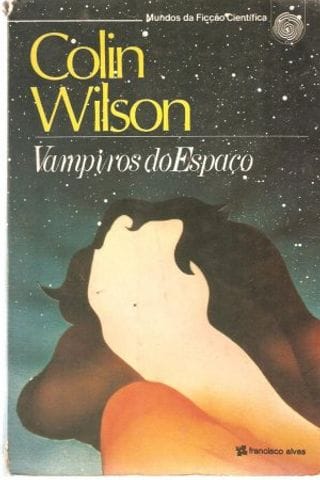
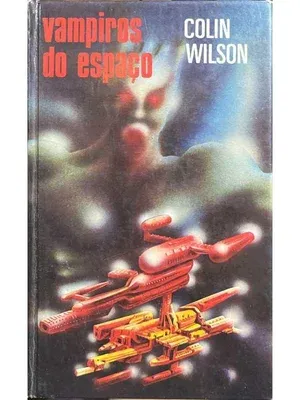
Philippe Caza gets a bit NSFW with this 1981 cover to the French edition.
Finally, Urania reissued the story in 1992, with this cover by K. Ward.
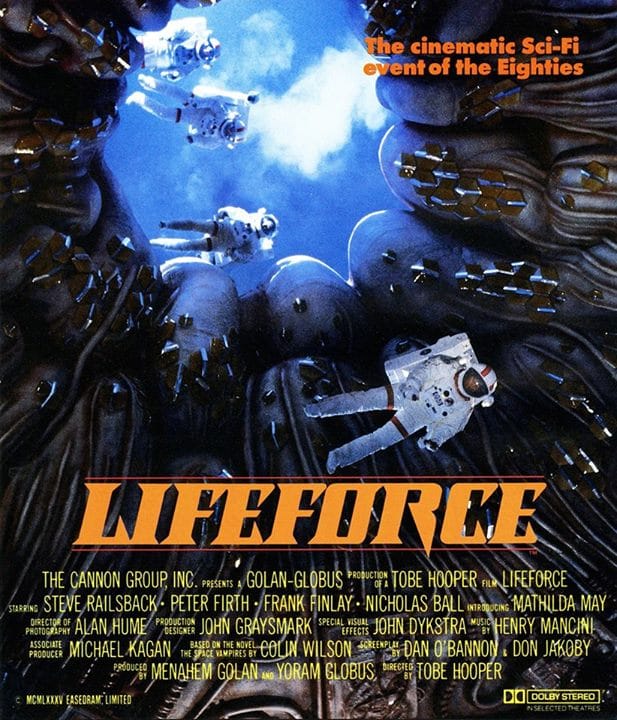
Colin Wilson’s book was adapted into the 1985 film Lifeforce. Alien screenwriter Dan O'Bannon co-wrote it, and The Texas Chain Saw Massacre director Tobe Hooper directed it, so you'd think it would be okay. Sadly, it sucks (no vampire pun intended).
It came with a range of posters, some less safe for work than others. None are particularly vampiric (even though the film apparently makes its aliens more like typical vampires than the book did).
The first one here does appear to be rehashing the original uncredited 1977 cover to the book, however.
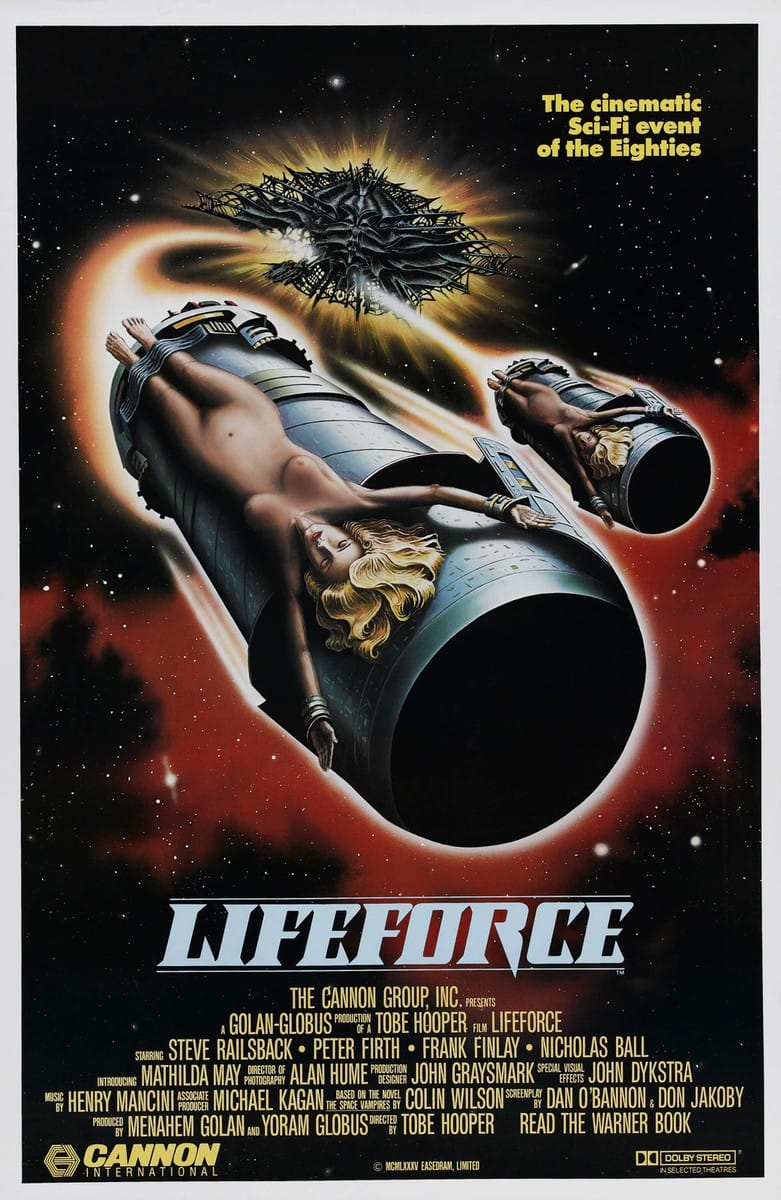
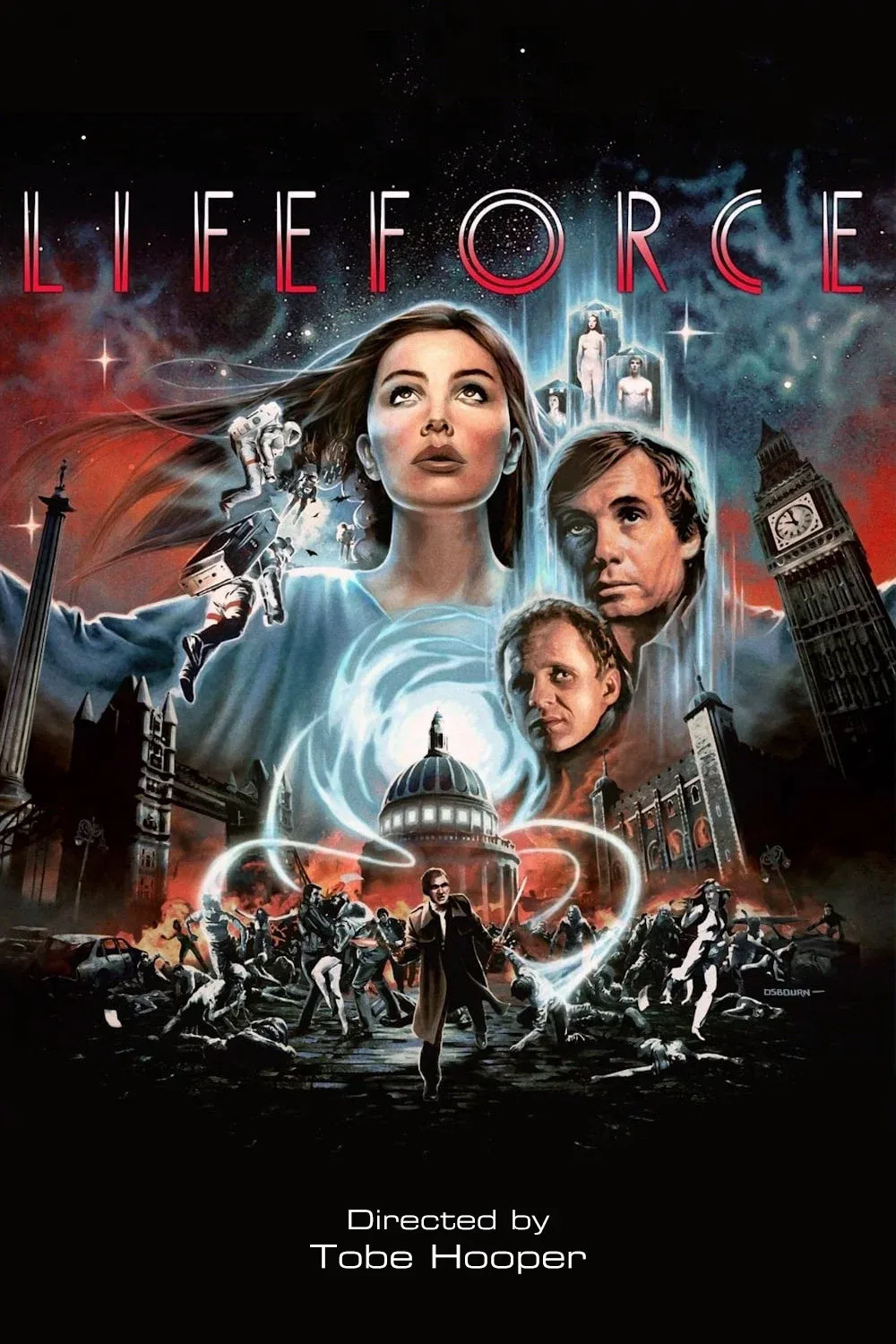
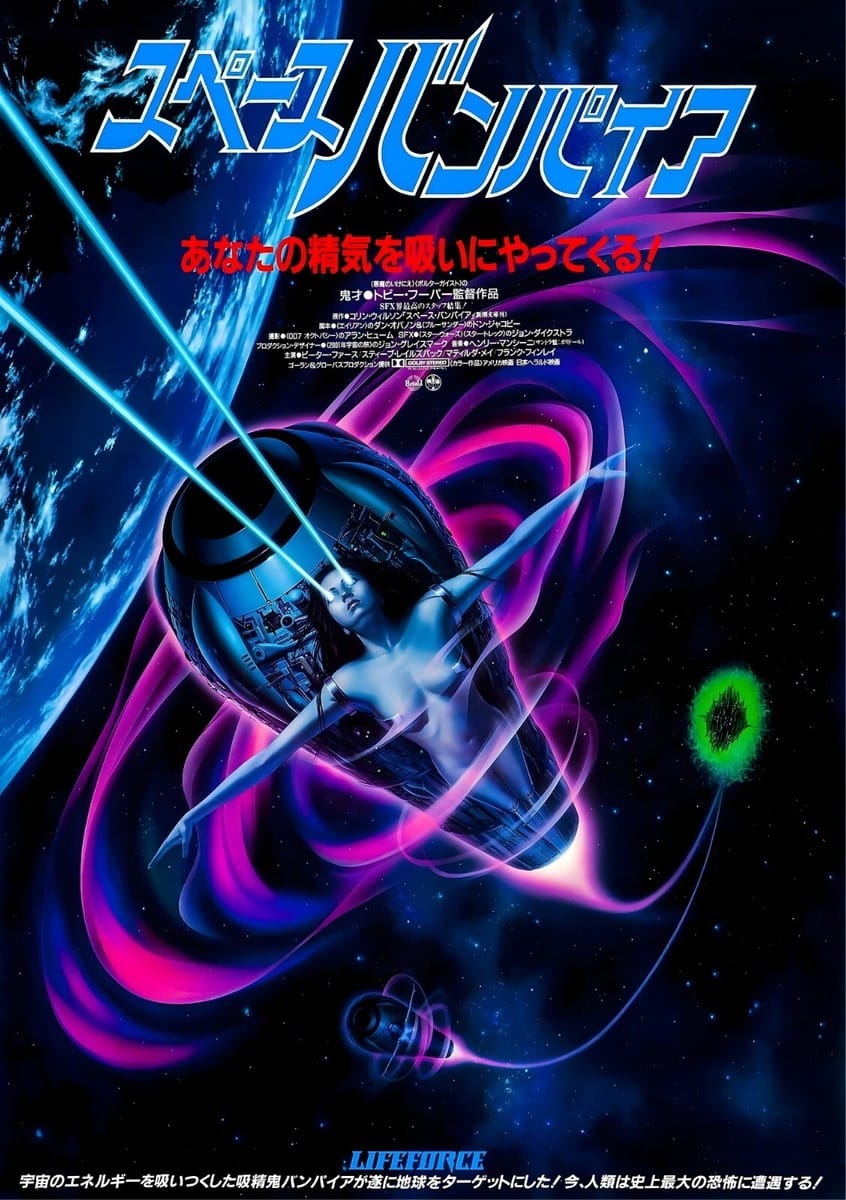
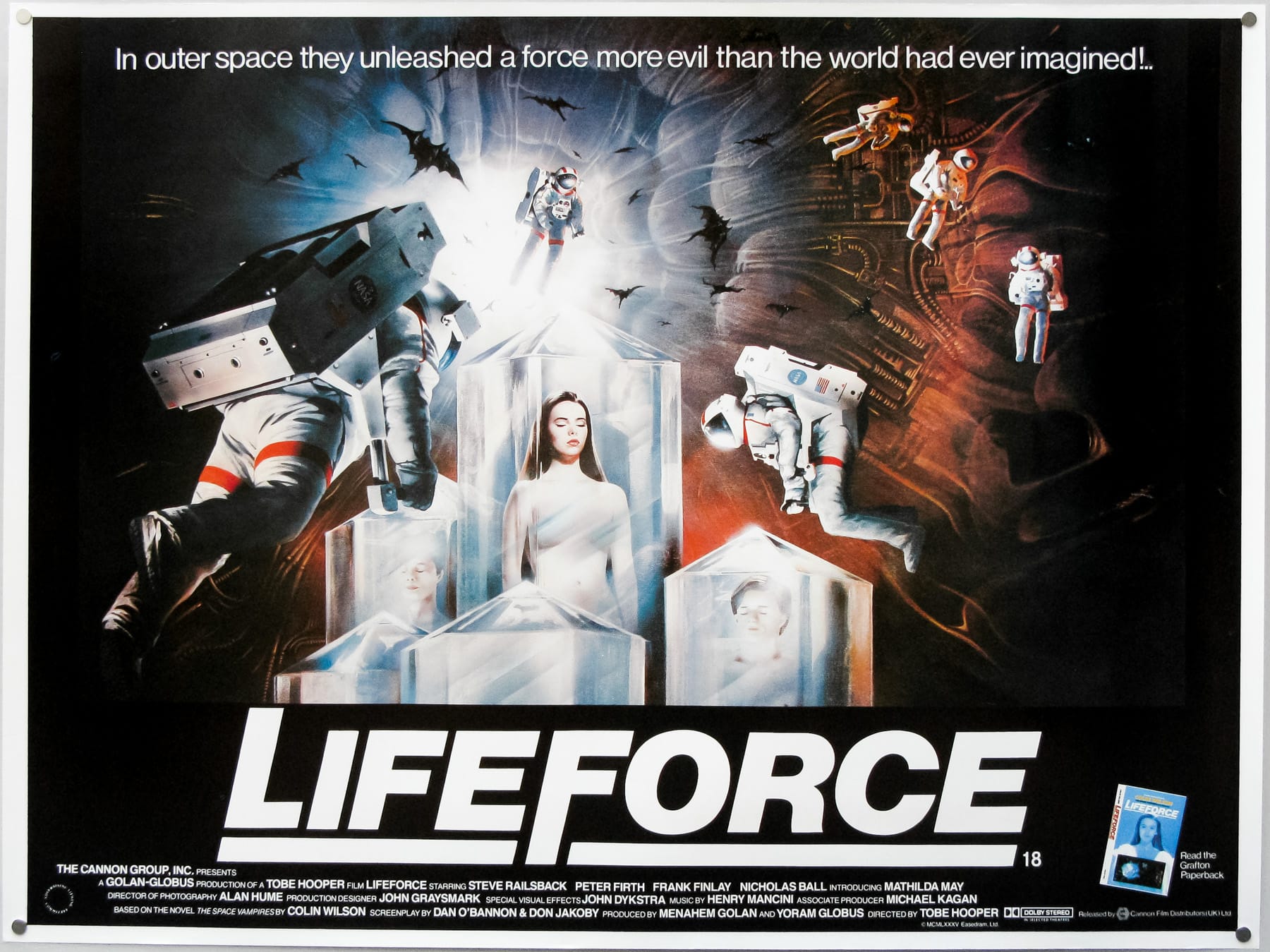
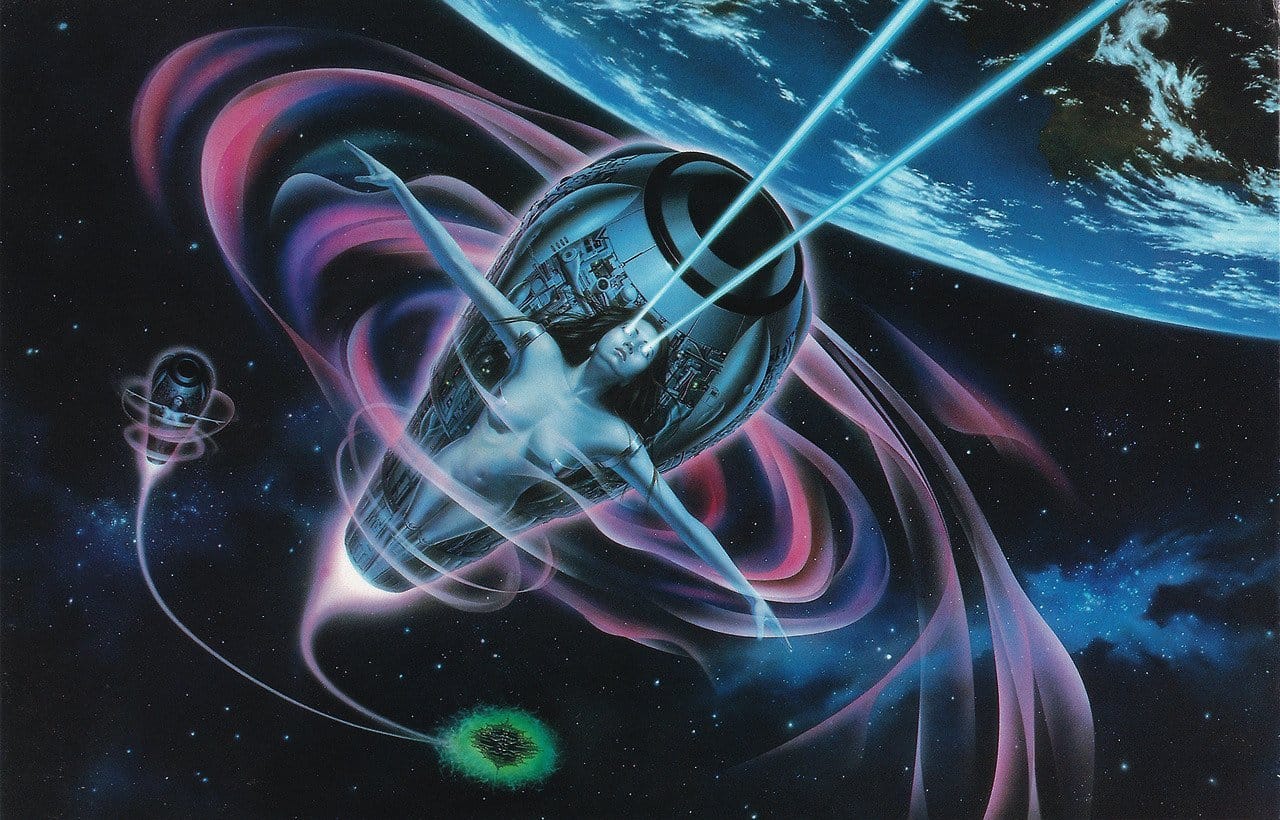
Here's a larger version of the Japanese poster, which I've seen attributed to Takashi Terada.
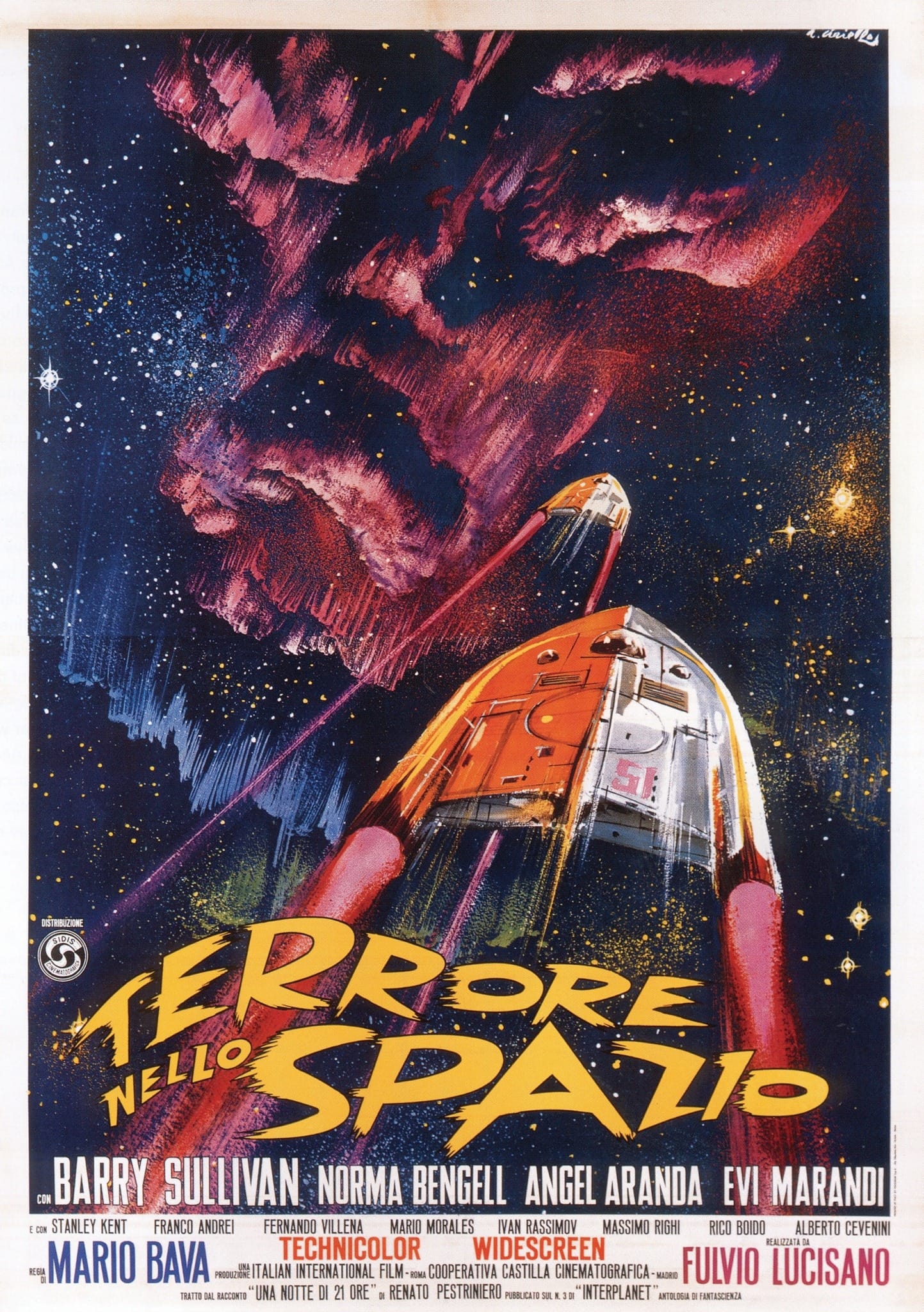
The Italian poster art for the unrelated 1965 film Planet of the Vampires depicts some very cool skull-shaped solar winds, even if the actual film itself is about alien spirits that possess corpses rather than anything more traditionally vampiric.
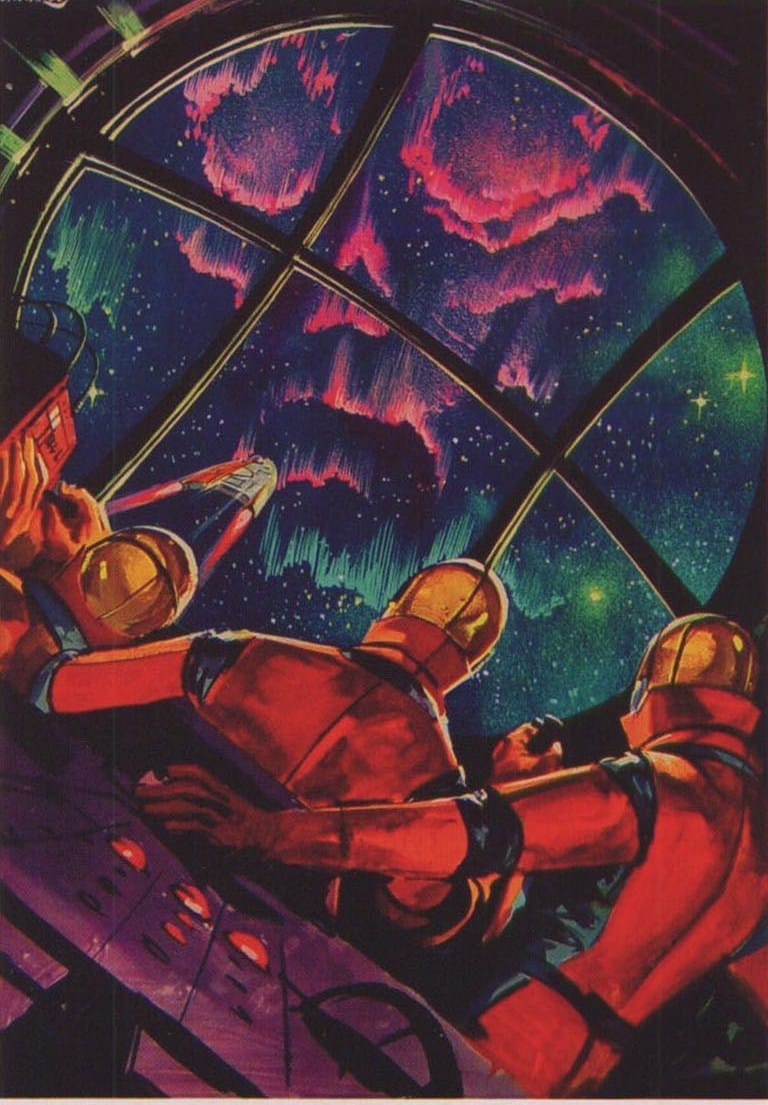
This variant poster is by Averardo Ciriello, according to Retro Sci-Fi Art – I'm not sure if the above version was his work, too.
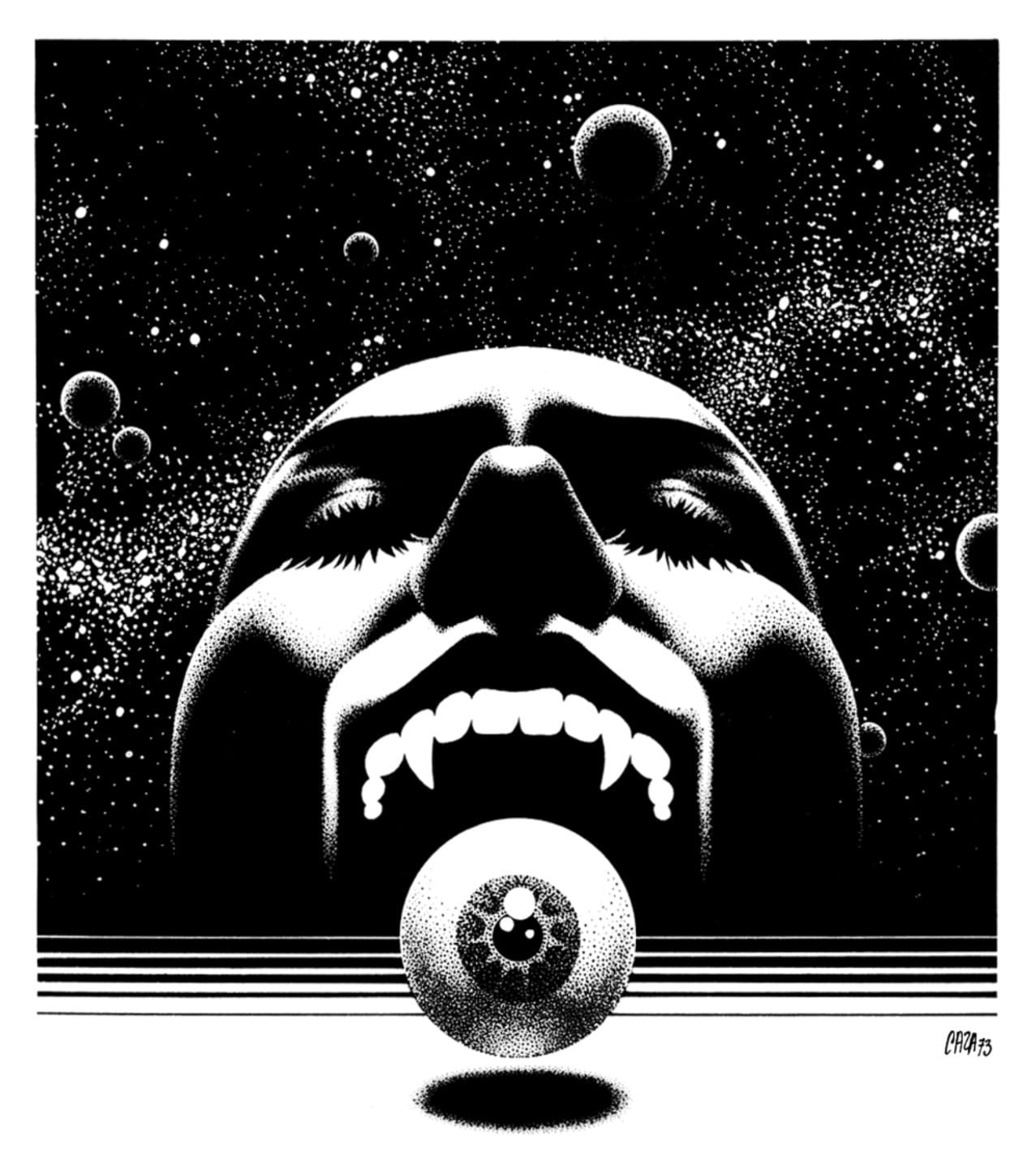
Here's a suitably vampiric 1973 illustration from Philippe Caza, also courtesy of Retro Sci-Fi Art.
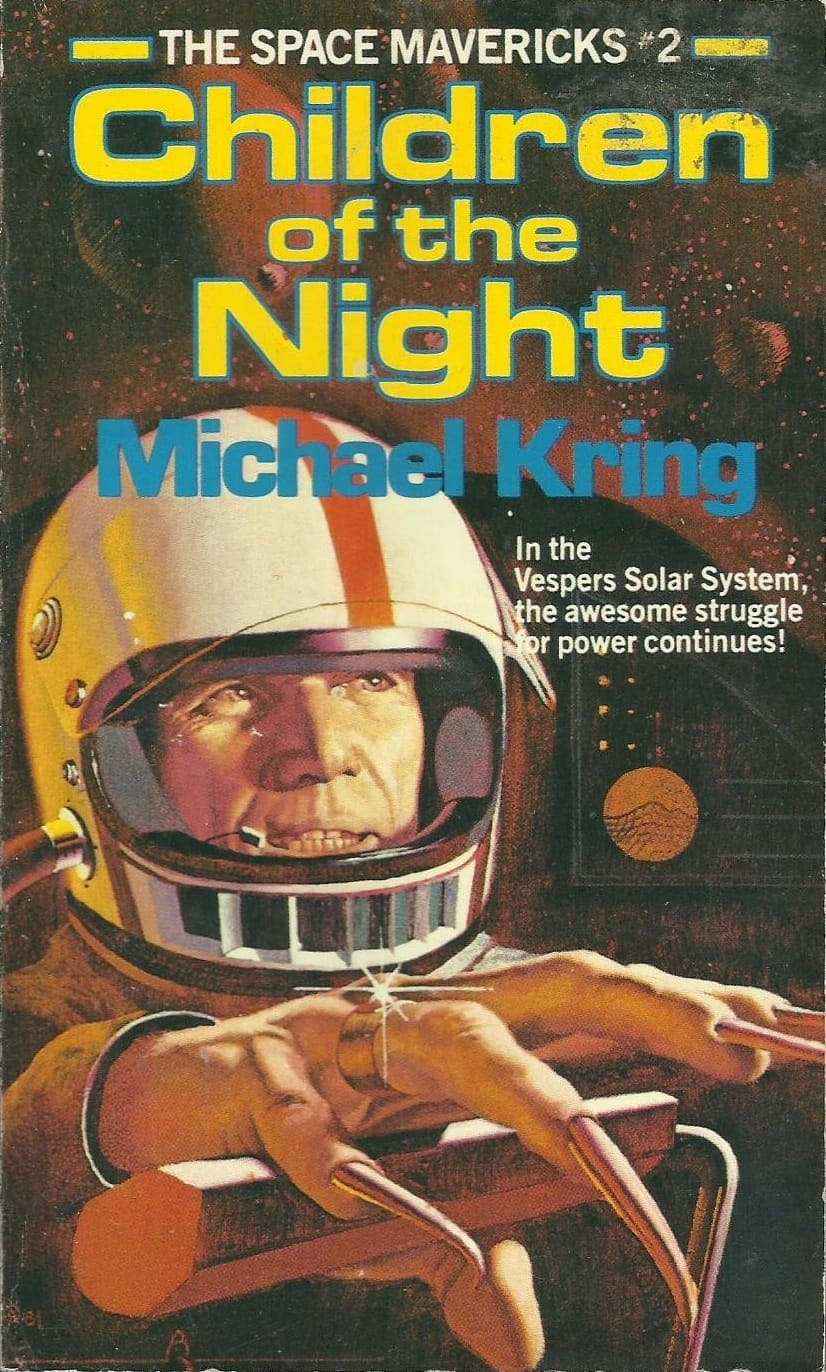
This uncredited 1981 cover to the lesser-known novel Children of the Night, by Michael Kring, might not actually feature a vampire. But every vampire wishes they had fingernails this sick.
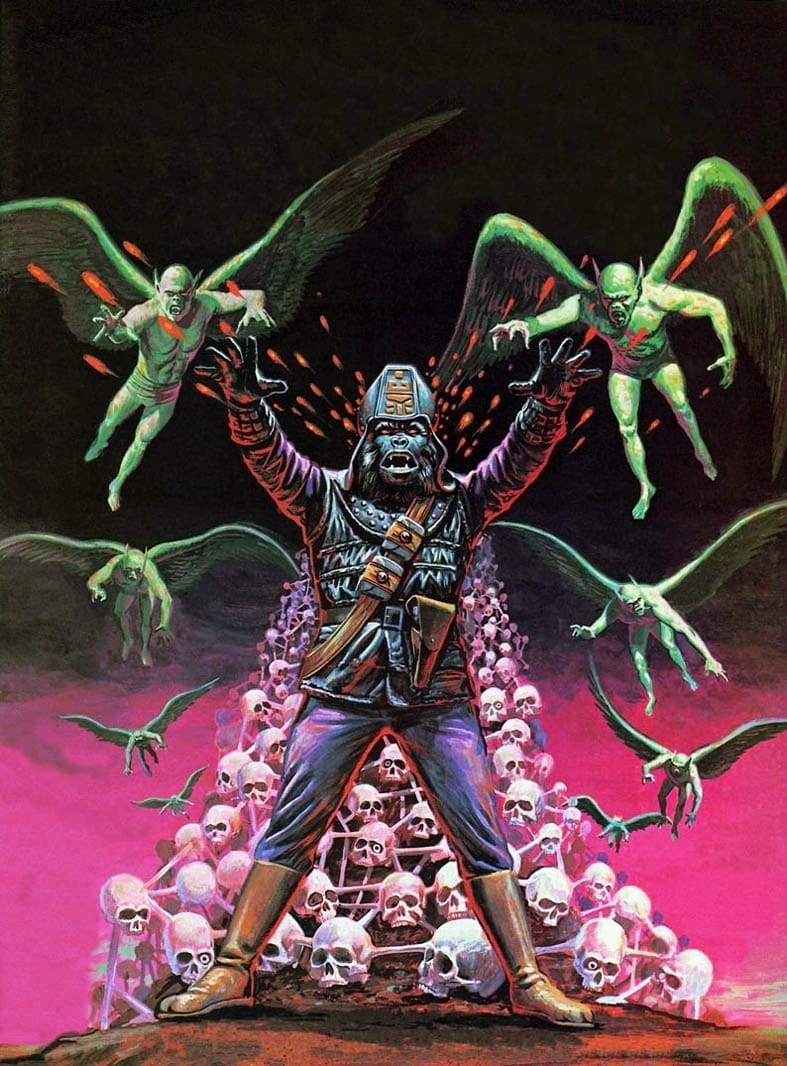
My favorite sci-fi vampire illustration might be this 1976 artwork by Bob Larkin, "Planet of the Vampire Apes." It's my favorite Planet of the Apes art, too: I love the giddy glee of starting with an already sky-high-concept world of evolved apes, and then deciding that some of them are also vampires, and have feathered wings as well.
That's it for our look at science fiction vampires.
I'm slowly getting around to all the classic monsters, so for further Halloween reading, check out my looks at a few of the more inherently sci-fi ones: Frankenstein and Creature from the Black Lagoon-type fish-people.
Cool Links
The map fiction missed - Sentiers
“Canada and the European Union are discussing an associate membership for Canada, a scenario I can’t recall seeing in science fiction or alternate history. Speculative maps of North America have usually split Canada into successor states or handed its pieces to rival blocs.”
The Sentence is a Lonely Place - Garielle Lutz
Here's an essay for the literary fiction sickos out there. It's a guide of sorts, explaining how you can think about writing sentences on a word-by-word level. I'm a writer, but I've always been a genre fiction lover and literary fiction can feel somewhat inaccessable. Articles like this are handy cheat codes for understanding how literary techniques even work.
Music Rec: 4 and a half hours of Halloween hip hop by DJ Noize
Next Time: The Difference Between Science Fiction and Fantasy. It's a paid post, so you actually can't find out the difference unless you pay me $5 :(