Plants and Animals of the Retrofuture


A couple years back, I published a series I called "Extended Edition," revisiting all the chapter sections that I cut from my art book Worlds Beyond Time. You can still dig them up in my archive if you're interested – and paying subscribers can access them a little more easily in my new article index.
But here's one last tidbit that I cut: The original draft of my intro for the chapter covering the plants, animals, and aliens of retro sci-fi. If it seems familar, that's because I kept parts of it in the final book, including some of the images here.
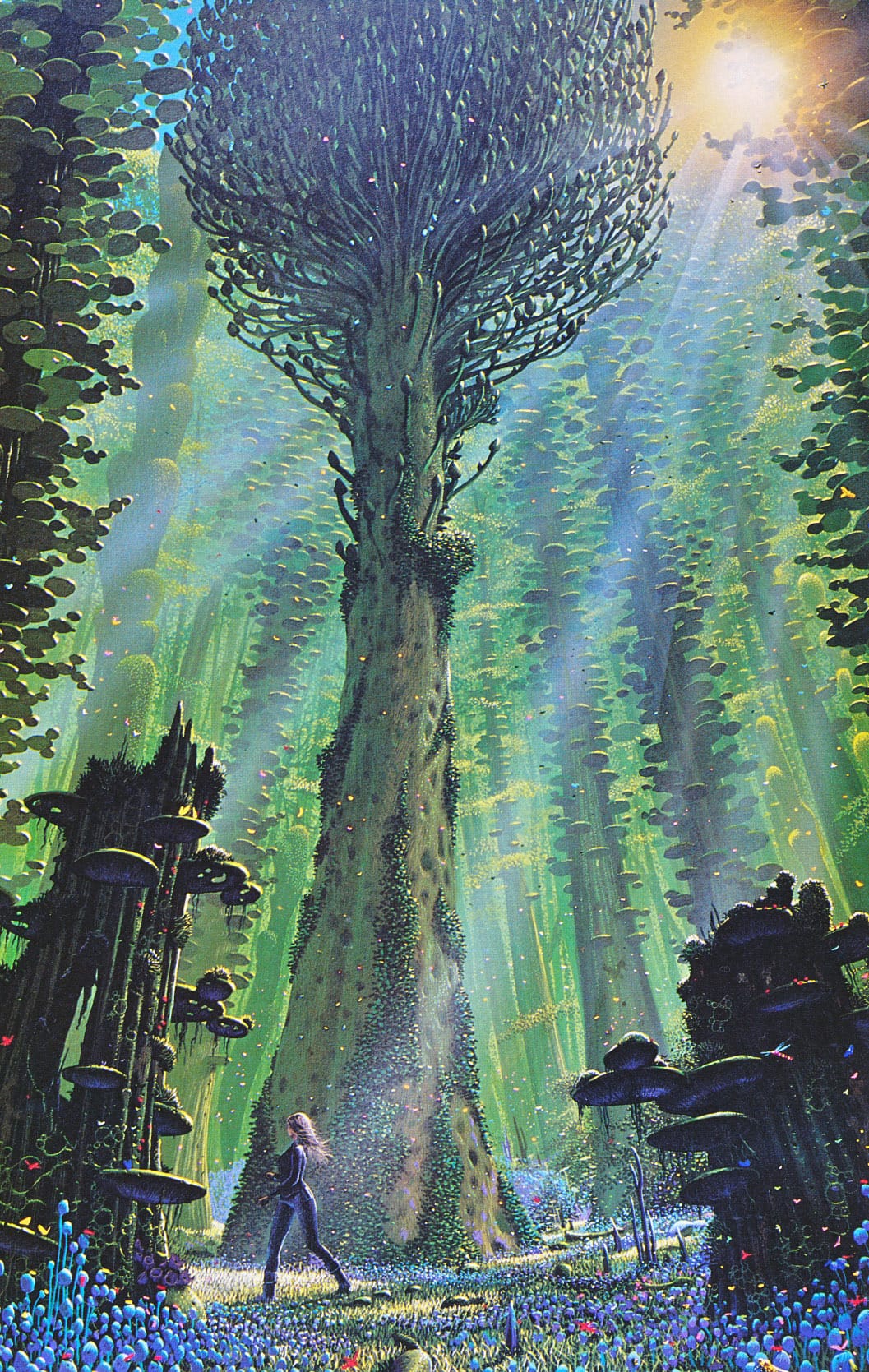
The sci-fi genre across the 70s and 80s defies summarizing. Its authors and artists could be optimistic or nihilistic, charmingly antiquated or seemingly prescient, but never monolithic.
But sometimes the modern reader’s reaction to the era can reveal their bias. When looking back at the breadth of 70s sci-fi’s future-looking optimism, plenty of elements are familiar. We have sleek gadgets, supplied and refurbished by Apple and Microsoft. We might not have domed cities, but the spherical conservatories on Amazon’s Seattle headquarters are pretty close. Just one element of the past’s science fiction has been lost—it’s the flora and fauna that seem the most entrancingly far off.
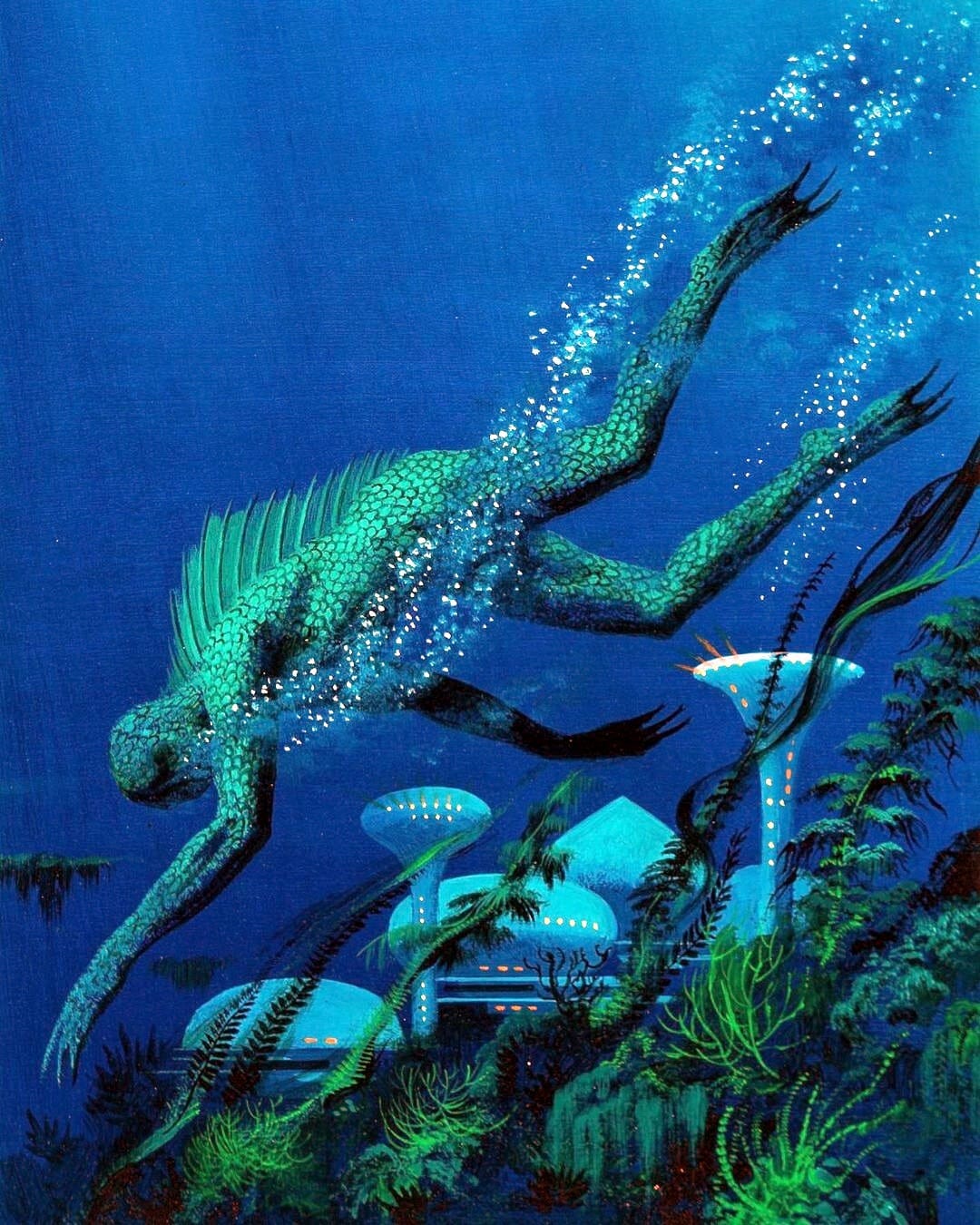
A redwood-style alien forest from Tim White, a seaweed-framed Black Lagoon creature by Dean Ellis, even Roger Dean’s trademark fantastical floating rocks; It all comes from the same lush retrofuture that feels farther away with every decade of climate change separating us from it.
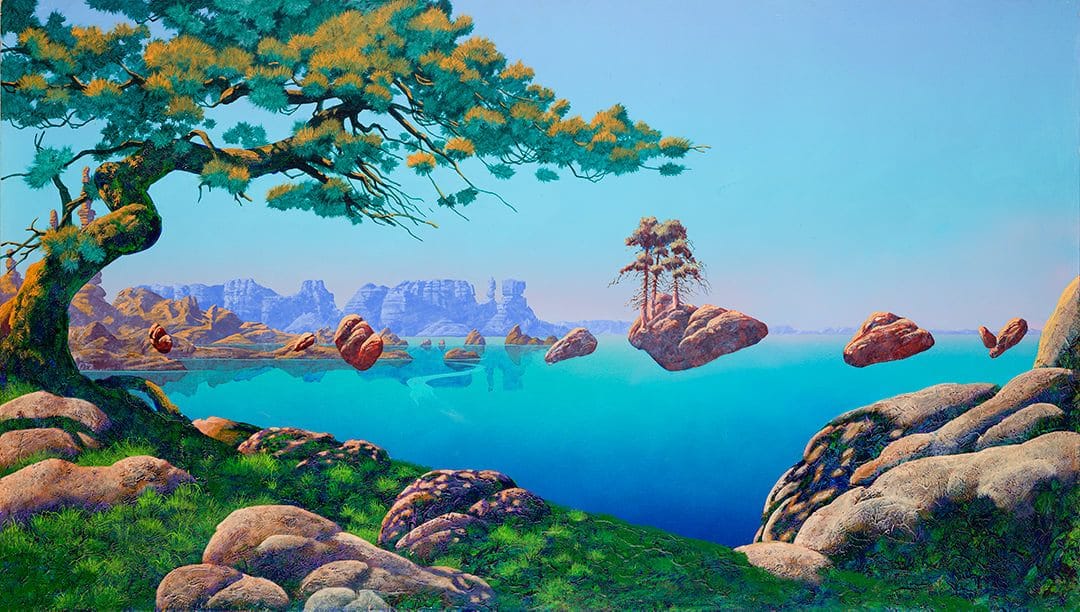
The art doesn’t say much about its own time, but it is a reminder that we tend to think of the future entirely in terms of tech upgrades—of gaining more, rather than preserving what we have. If the future of nature comes up at all, it’s typically in discussions of depletion, of vanishing icebergs or coral reefs.
For one chapter, forget that learned helplessness. Here the future is living, breathing, and might poop in your hand if you pick it up.
My editor didn’t like the detour I took into discussing future gadgets in relationship to present-day tech and climate change inaction. Maybe I should have pushed to keep it! I think it's an interesting tension worth surfacing, and smuggling serious ideas into a goofy art book is a big part of what makes me interested in the format. Admittedly, it's only conceptually related to plants and animals, on top of being a big bummer.
In the end, I was able to revise this intro while keeping a lot of the copy — I cut the paragraph referencing Apple and Amazon, but the "poop in your hand" joke was still the perfect stinger to end on.
The three images I included above are all referenced in the final draft as well as this one. The Tim White illustration is in the forest section of that chapter as I always intended, and the Dean Ellis illustration is included with this intro section. I wasn't able to get on touch with Roger Dean at all for the book, so his work isn't included, despite the fact that I namecheck him more than once across the book.
The final intro also has this cool Walter Rane illustration, of a toothy dog-like monster.
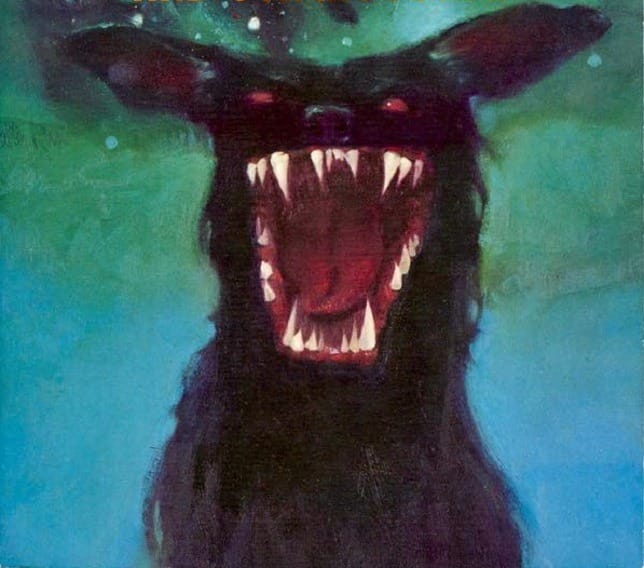
I mostly included it because I really love the vibe of this one – Walter Rane only has a handful of science fiction illustrations to his name on ISFDB, so I considered this one a stretch goal when I was planning it out, and didn't mention it in the intro at all. Turns out he's easy to get in contact with, however, due to a healthy career in religious art for the Mormon church, and he kindly worked with my shoestring budget to get that one image in.
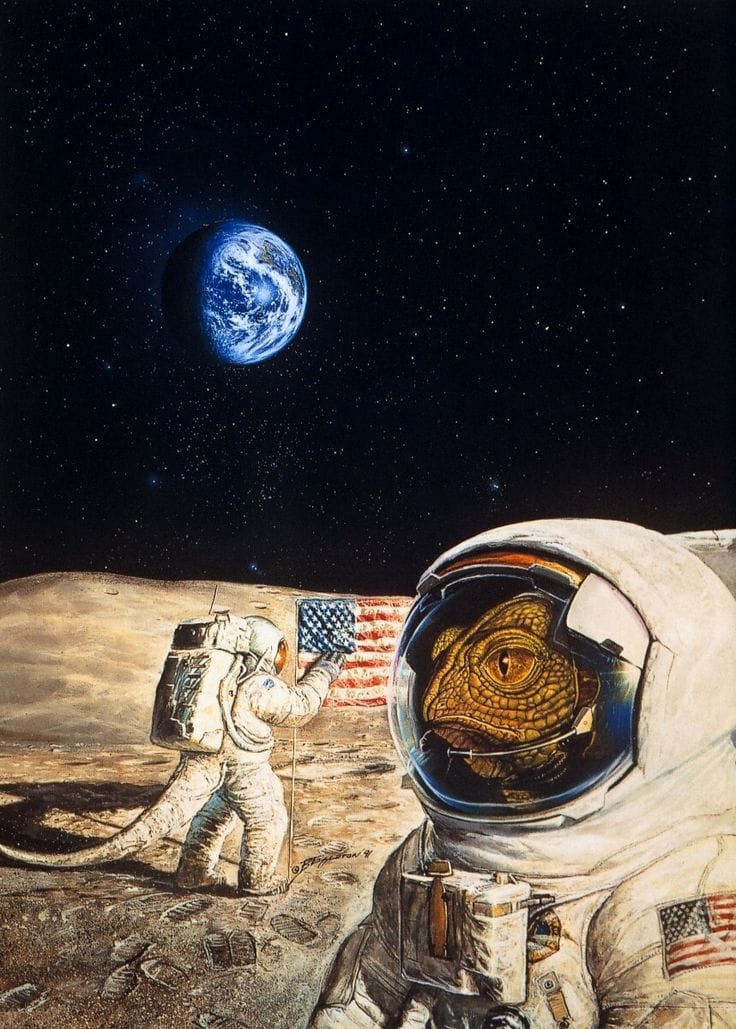
At the last minute, I snuck in this fun Bob Eggleton illustration, which I'd already gotten permission for but had initially planned to add to the endpapers in the back.
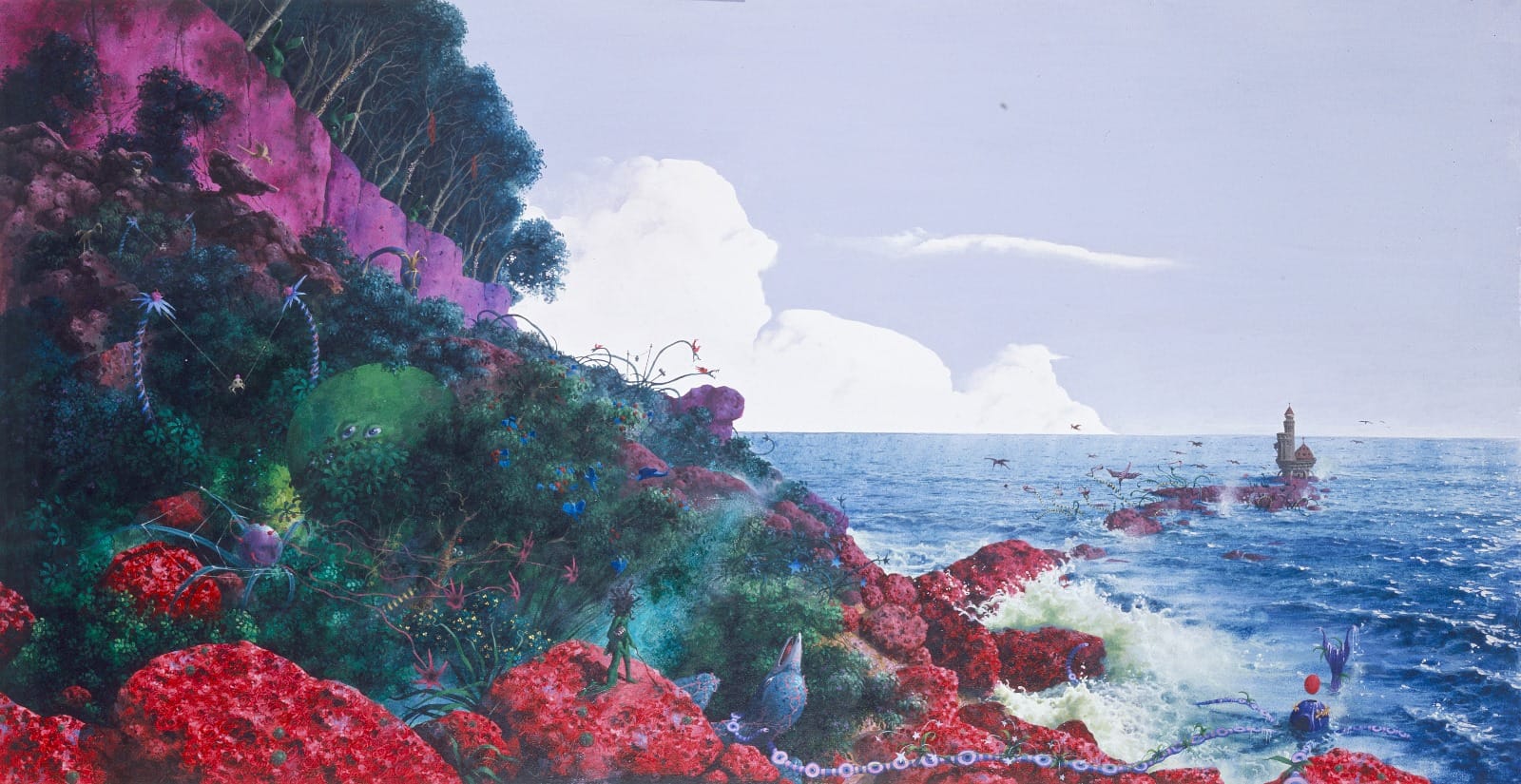
Finally, here's a nice surprise: Science fiction artist Bob Fowke is letting me feature three of his illustrations in this issue. Here are his comments explaining the background.
"This year is the centenary of Brian Aldiss, one of the UK's foremost sci-fi writers. His book Hothouse is all about plants, in particular a vast banyan tree that covers most of the globe, and how, in his imagined future, plants take over all ecological niches from mammals and other creatures.
In 1979, I was commissioned to paint three illustrations of this book to go into Alien Landscapes by Malcolm Edwards and Robert Holdstock, published 1980."
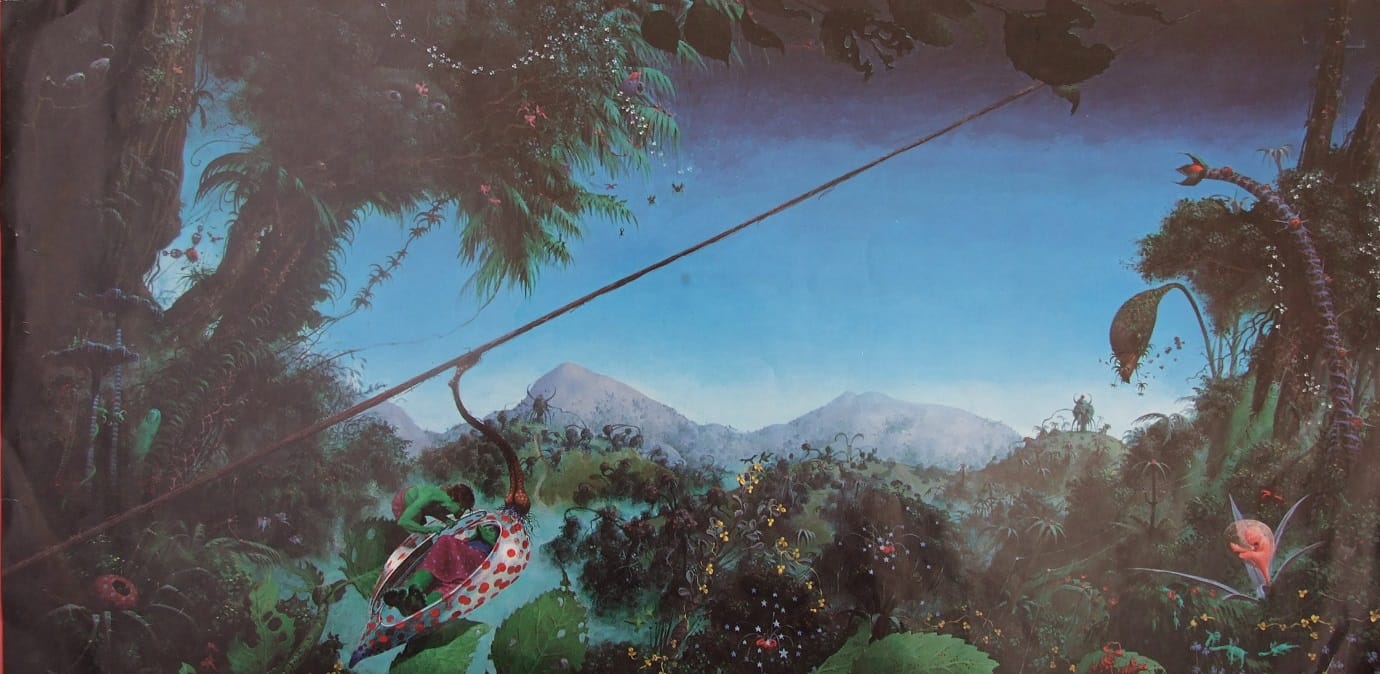
"The level of detail in these paintings is far greater than for any normal sci-fi work of that time. This is because I gave myself several months in India to complete them - at that time India was home to the largest banyan tree in the world."
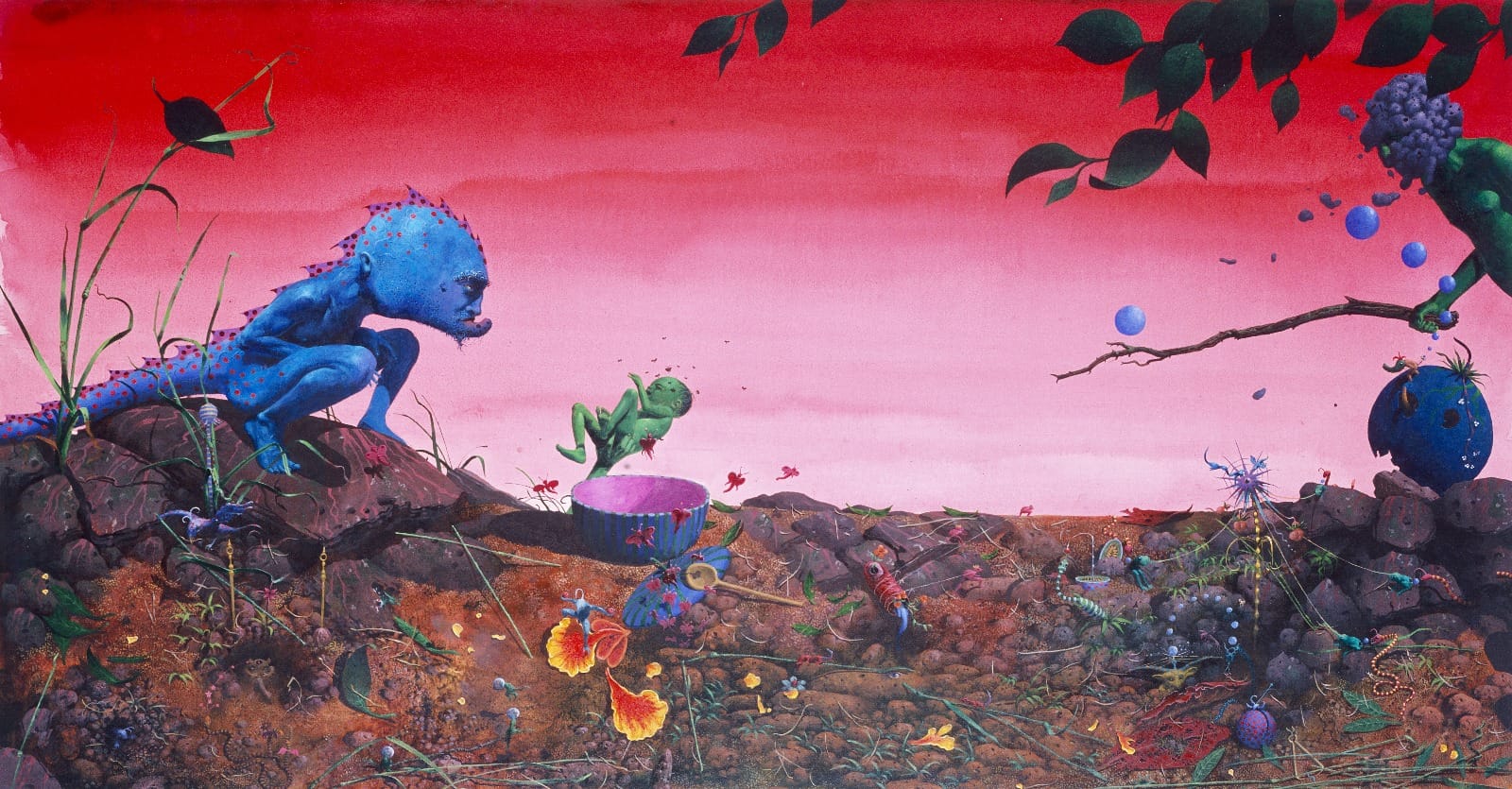
"The artwork was sold long ago, at about the time of publication, but I was fortunate that my former agent was able to lay hands on two of the original transparencies and I had an old printer's proof of the third image."
Music rec: I've been checking out all the heist-themed jazz playlists on Spotify. This one's the best. This one's too short, this one's too chill, and this one weirdly pivots to swing music a third of the way through.
Next time: Europa