Surprising Cutaway Views of Human Heads

Brains. We all have them, technically speaking. What this post presupposes is... maybe we don't.
Or at least, maybe science fiction illustration has a rich history of replacing brains with something else entirely.
I realized this accidentally last year, when I was trying to put together a look at the use of brains in science fiction covers and realized half my examples weren't actually brains.
Here's what artists like to replace them with, from the standard sprockets or circuit boards to the more surrealist fillings, like snakes, sheep, and tiny people.
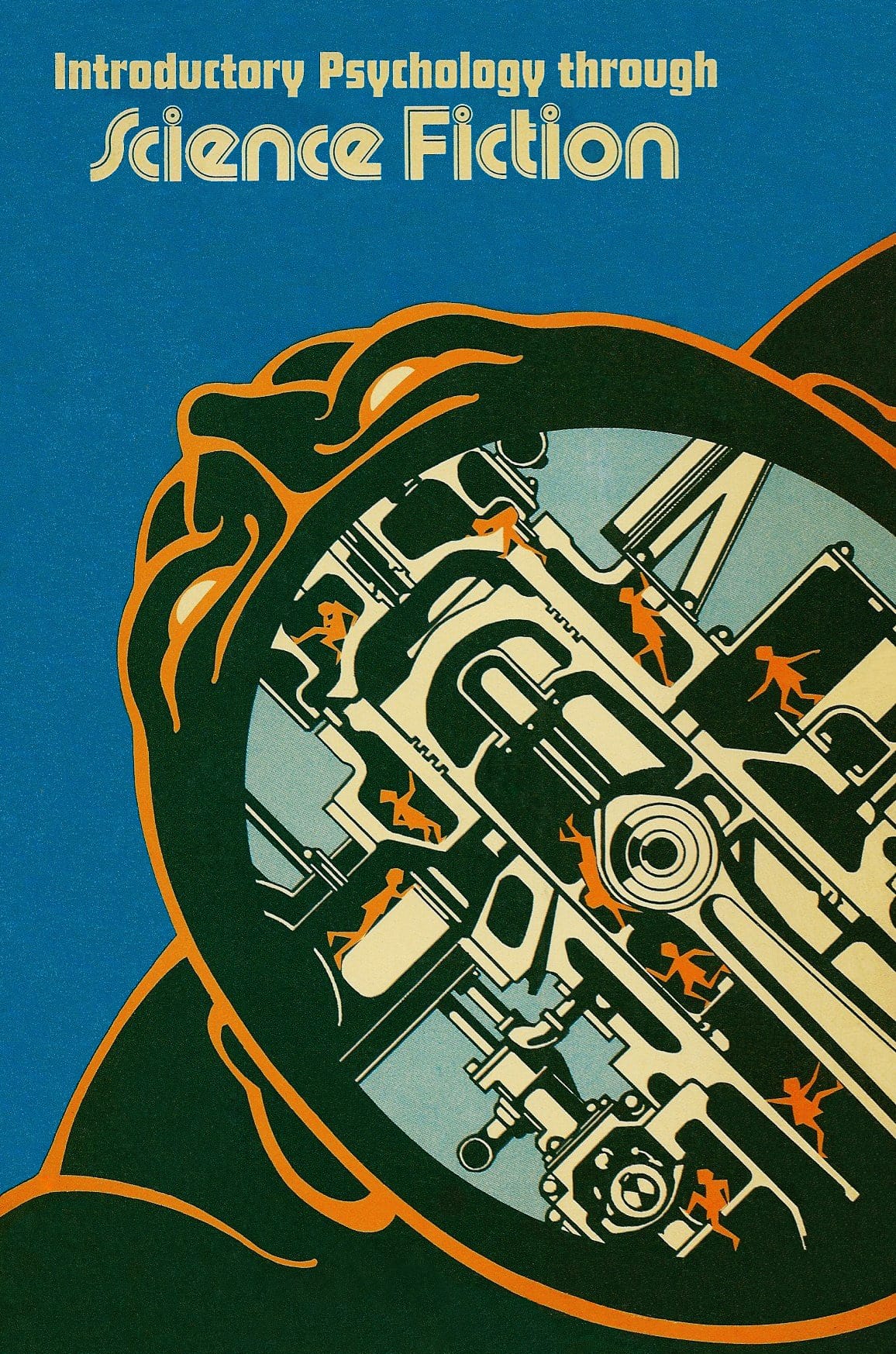
Let's start with a mixture of the technical and the surreal, with the gears and little figures of Todd Sanders' 1974 cover to Introductory Psychology through Science Fiction.
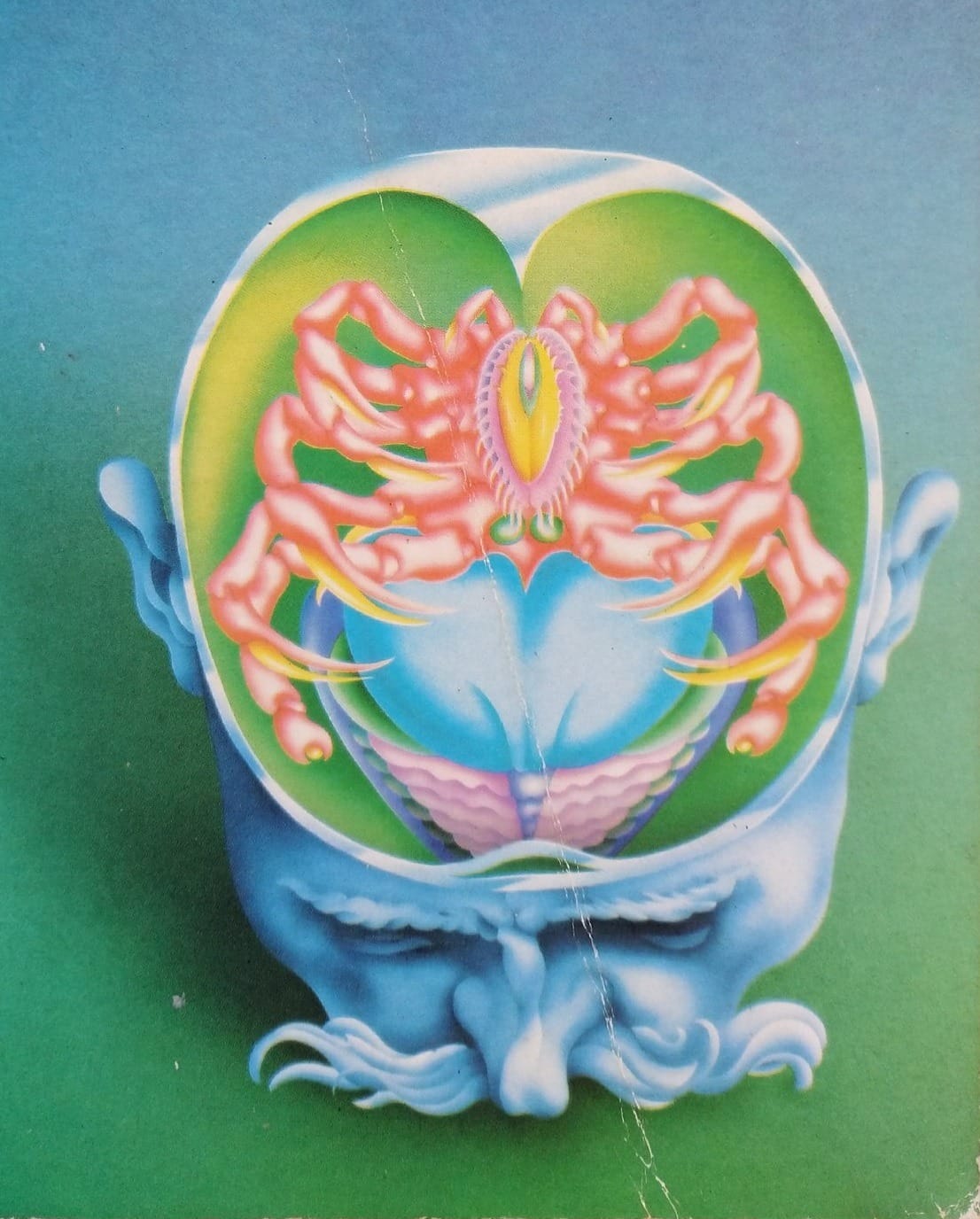
Here's another overhead shot of a cutaway, the uncredited 1977 cover (possibly Peter Tybus) to The Futurological Congress, by Stanislaw Lem – featuring an alien creature that looks a lot like the facehuggers that would appear two years later in Alien!
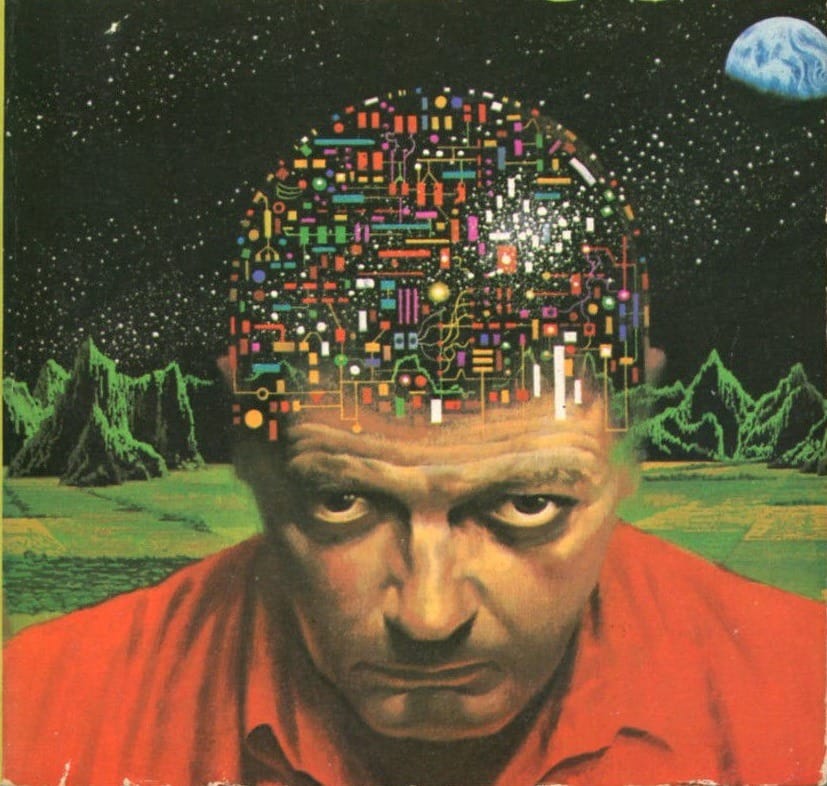
And speaking of 1970s anachronisms, I've always said that this 1972 Dean Ellis cover to Isaac Asimov’s The Naked Sun looks just like Mr. Bean on the moon with a cyborg brain.
I even mentioned the comparison in my 2023 art book Worlds Behind Time on page 86, even though this image didn't actually make it into the book itself! At long last, readers can now judge for themselves whether this guy looks like Mr. Bean:
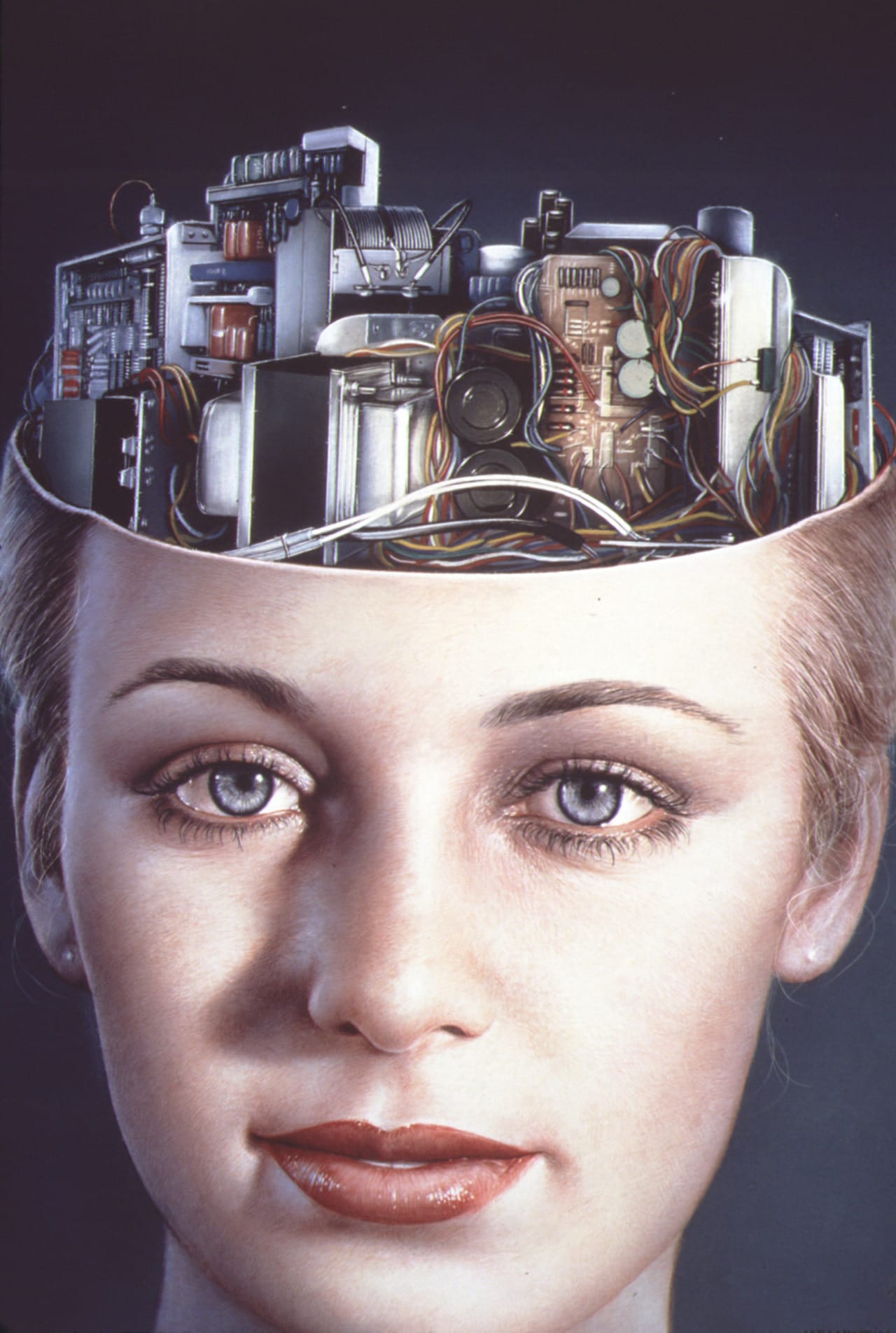
Gottfried Helnwein has another take on the same idea here.
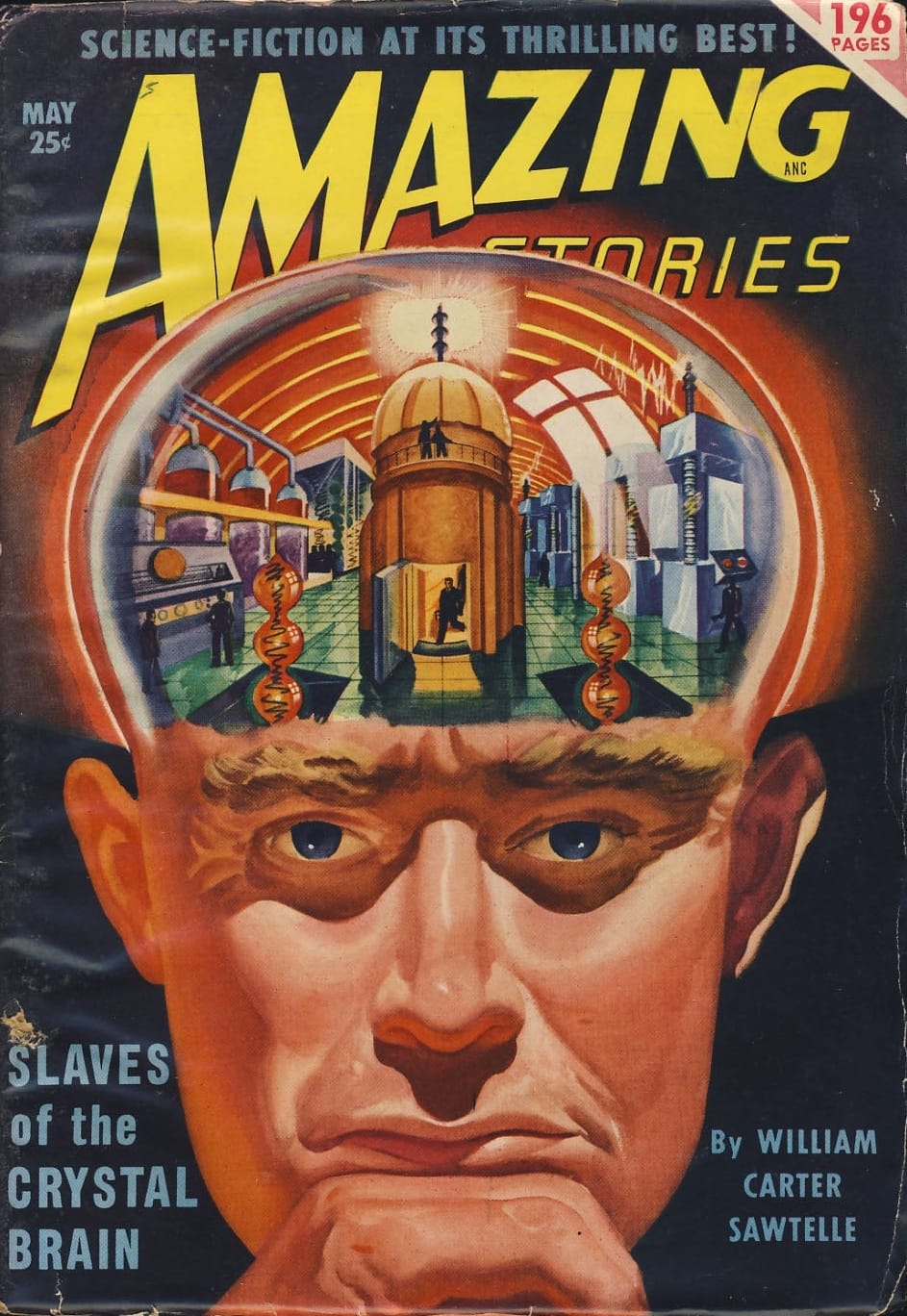
Arnold Kohn has an earlier example, featuring an entire power plant operated by tiny people, for his May 1950 cover to Amazing Stories.
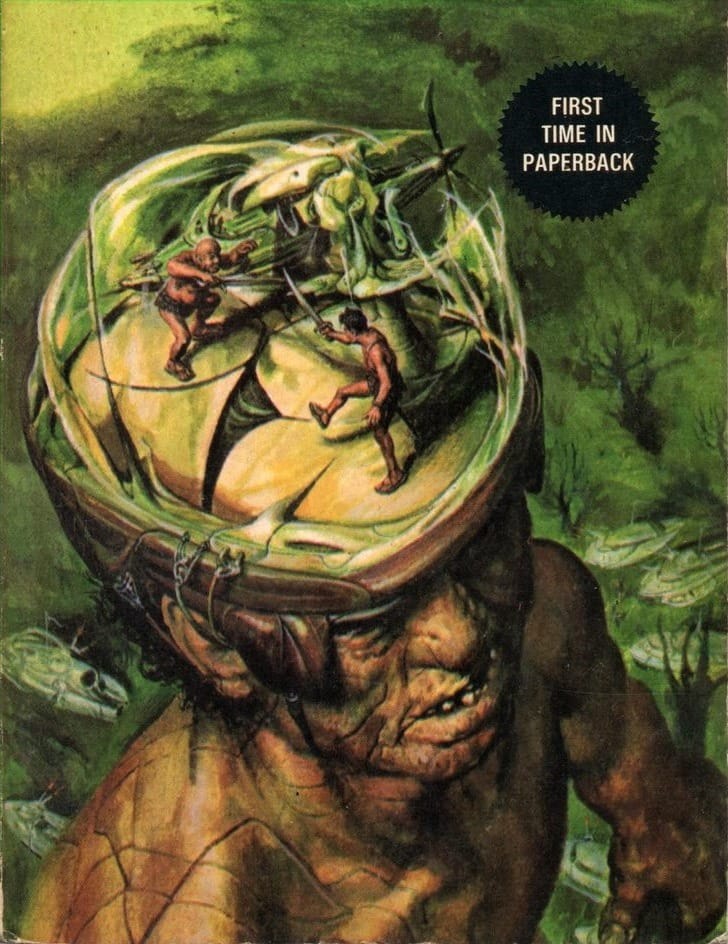
Robert Kennedy Abbett has possibly the weirdest brain-replacement art – two guys swordfighting near a plane crash.
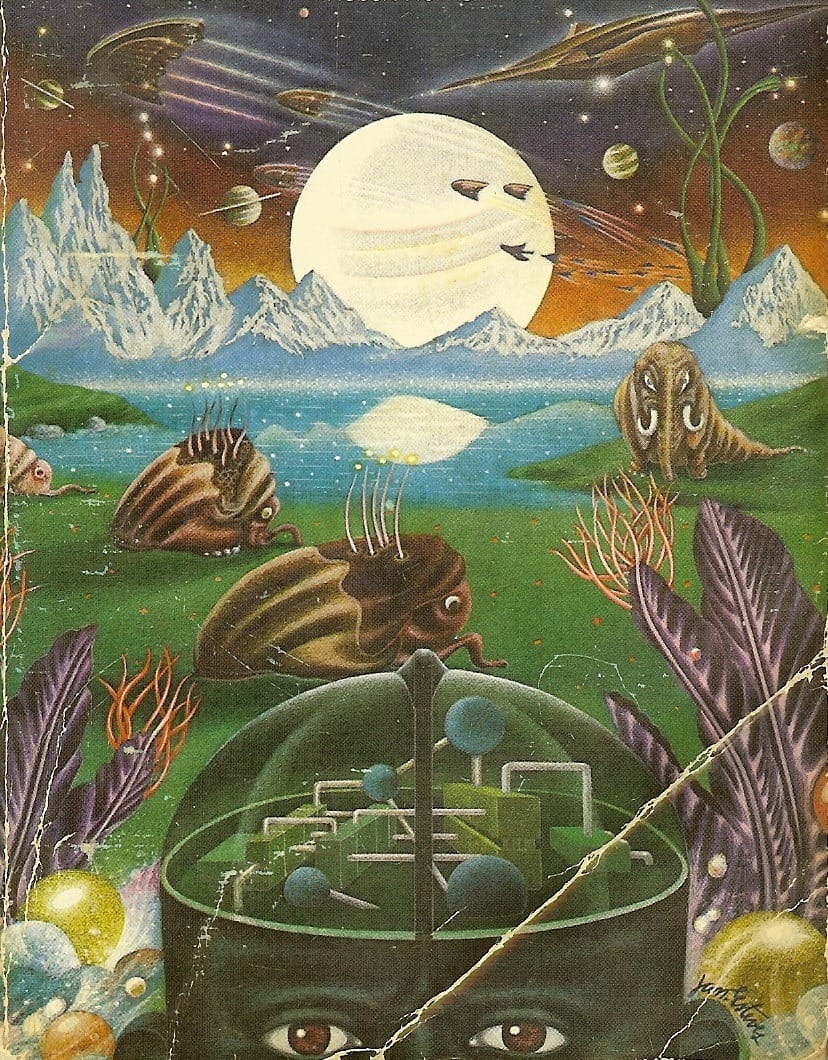
I love the details packed into Jan Esteves’ surreal 1979 cover art for Clifford D. Simak’s All The Traps of Earth.
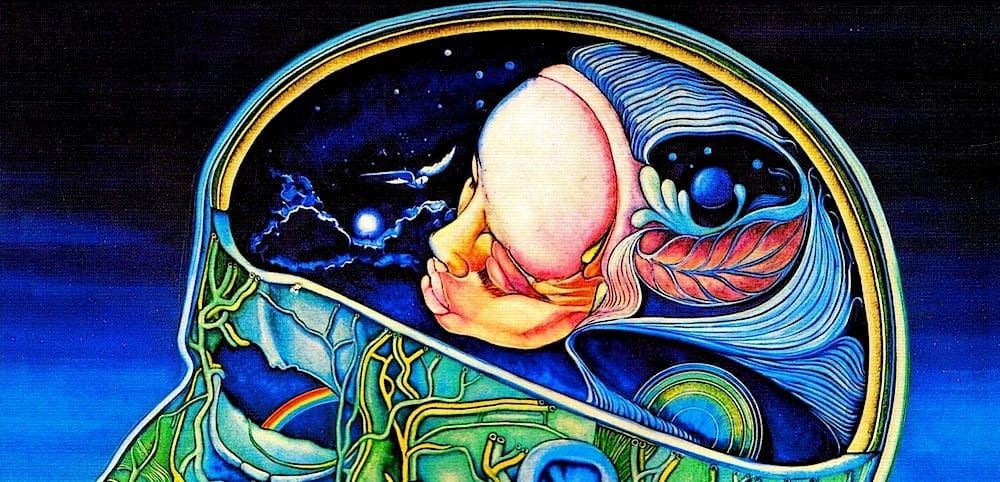
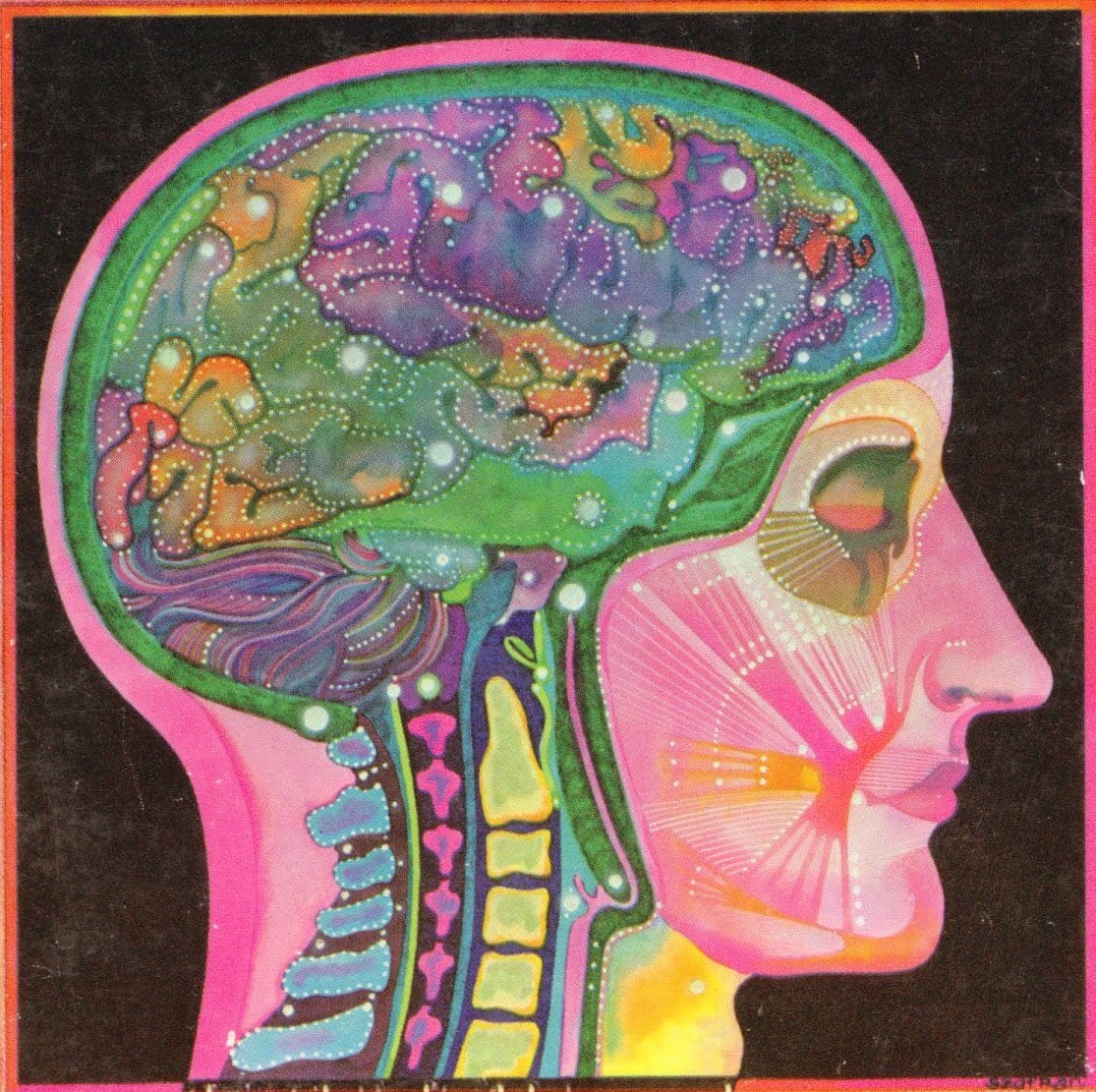
Gene Szafran's 1972 cover for Fun with Your New Head by Thomas M. Disch opts for a colorful side-view cutaway that actually does have a brain – or at least a surrealist version of one. I'm not sure why there are three wildly different types of spines lined up next to each other.
Peter Goodfellow has a side view with a universe. Insert "space cadet" joke.
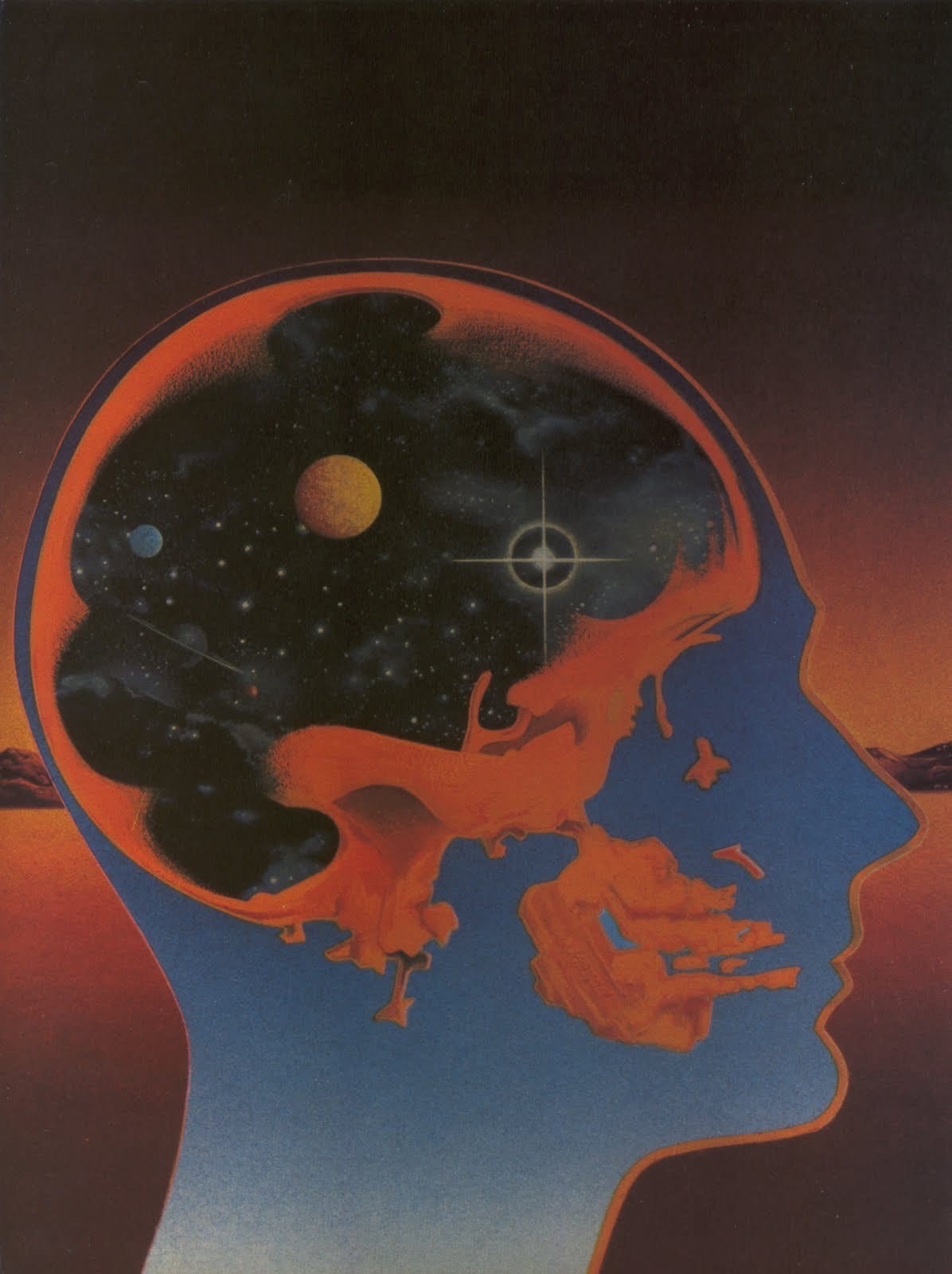
Polish Surrealist Rafal Olbinski has a similar side view.

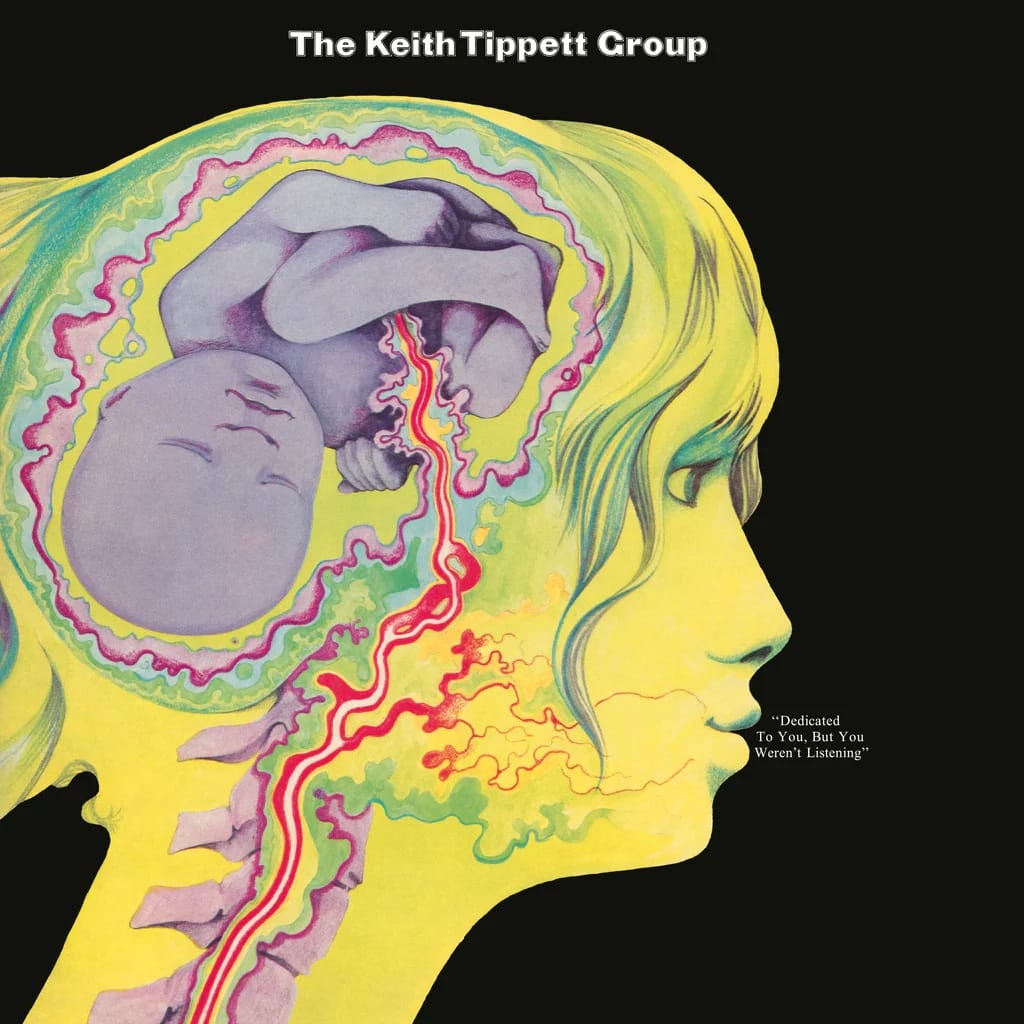
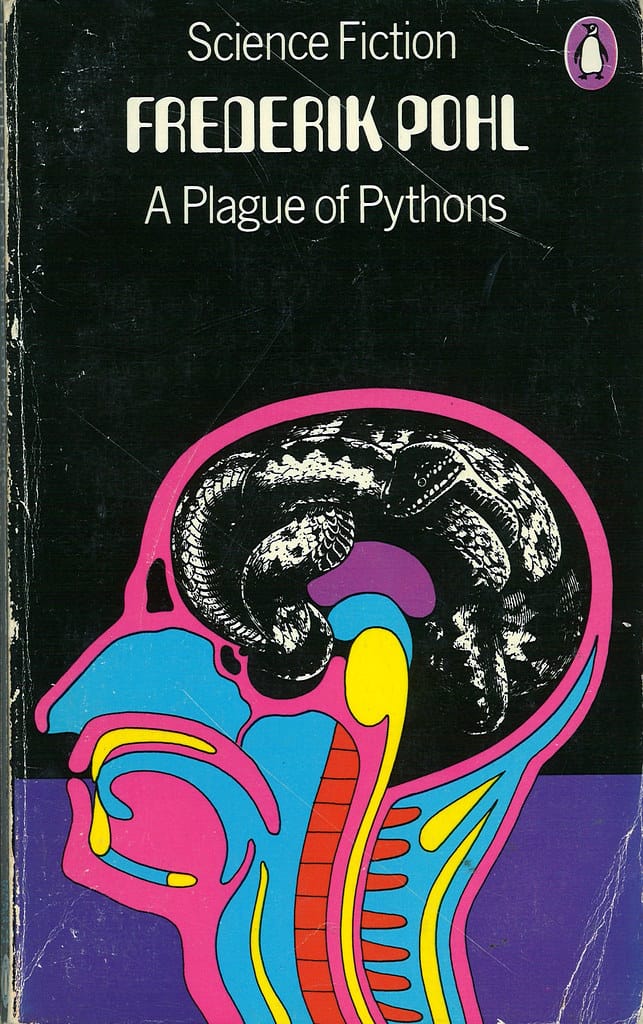
Here are a few cutaways also featuring a side view – Roger and Martyn Dean's 1971 album art for The Keith Tippett Group's jazz rock album Dedicated to You, But You Weren't Listening and David Pelham's 1973 cover to Frederik Pohl's A Plague of Pythons.
Roger Dean kept going with his 1973 cover art for Gold the Man, by Joseph Green, where he puts his lifelong interest in the psychology of architecture to work with a very cozy looking frontal lobe living space.
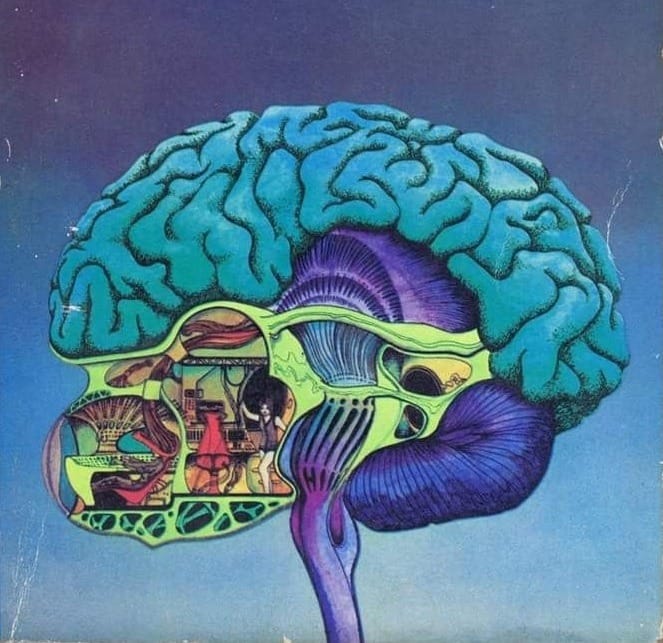
A few years later, Jean Claude Michel's 1975 cover to the psychedelic prog rock album Clearlight Symphony put a head cutaway within a head cutaway.
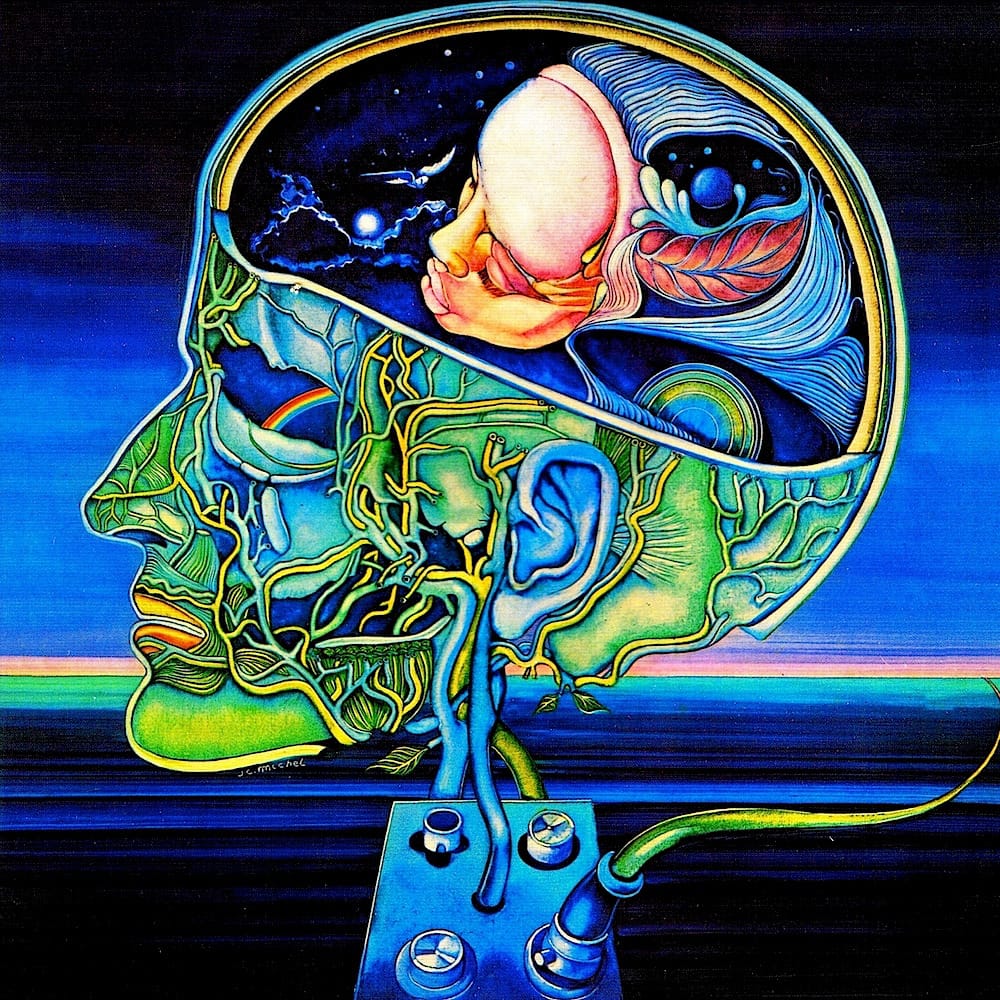
Granted, Steele Savage did an earlier illustration featuring heads within a head – this 1970 cover to John Brunner's The Whole Man – but even he didn't try adding a secondary cutaway.

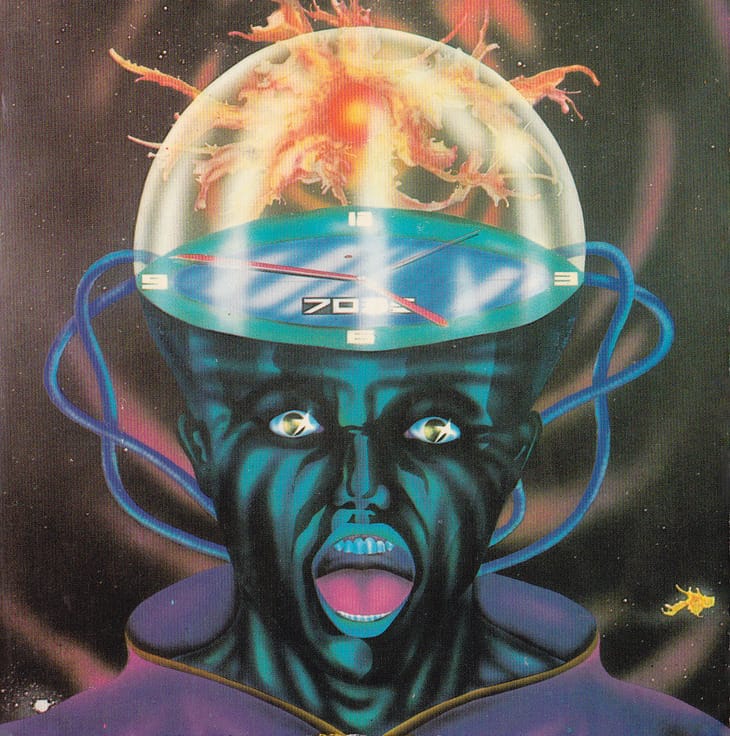
Clyde Caldwell opts for domes within a dome for his April 1979 Heavy Metal cover.

Mike Little's 1974 cover to the Kenneth Bulmer-edited anthology New Writings in SF: 22 also has a dome. This one has a clock face under it.
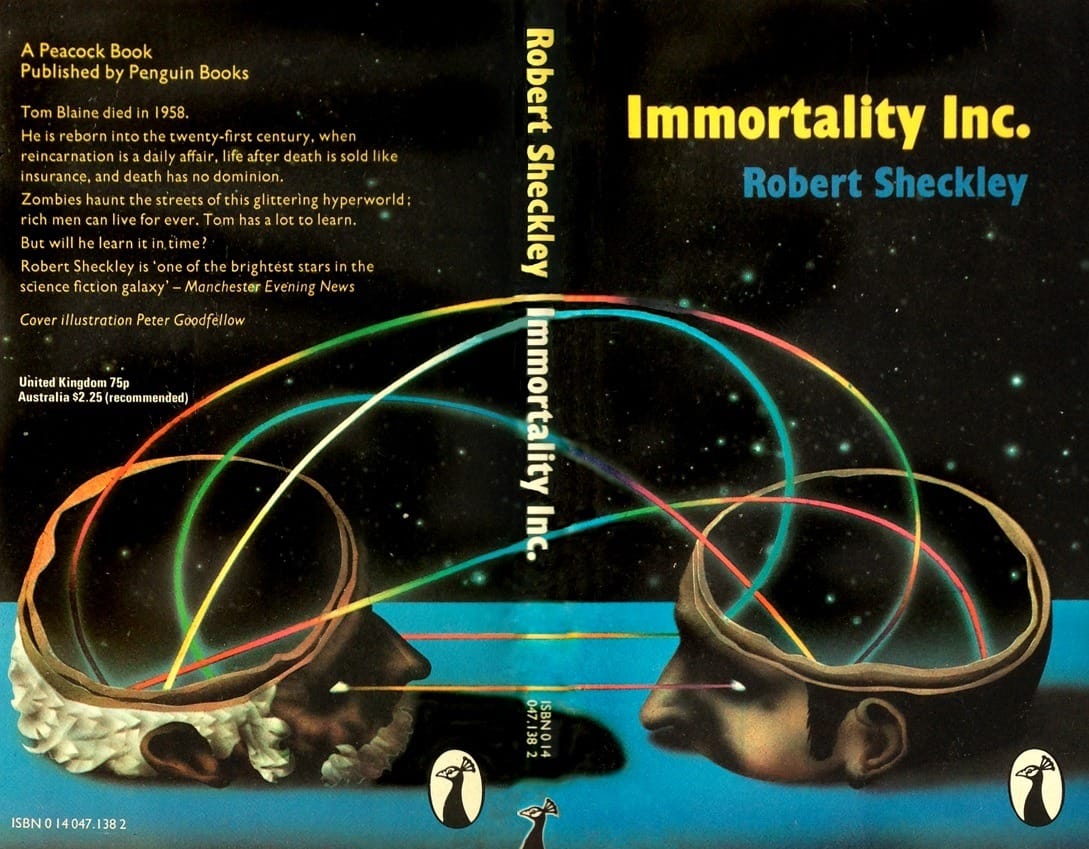
Peter Goodfellow's 1978 cover to Robert Sheckley's Immortality, Inc. connects two different heads with colorful wires.
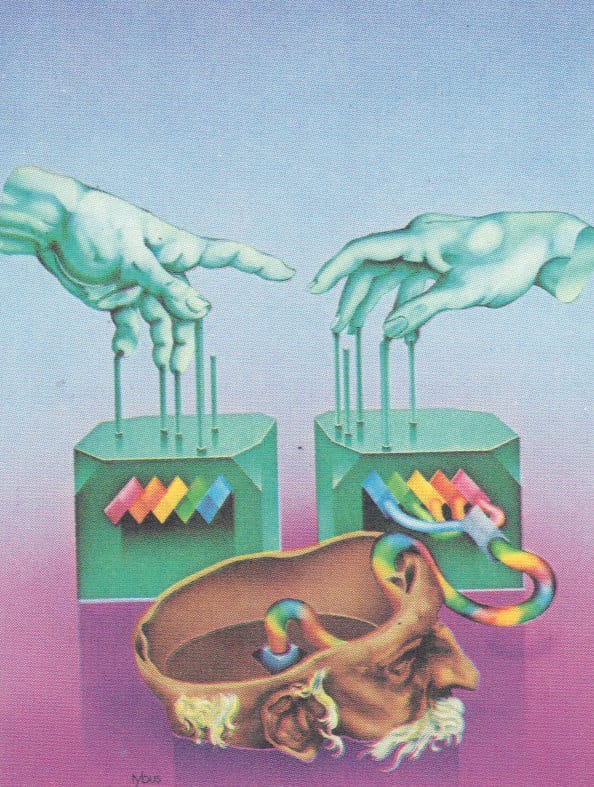
Peter Tybus definitely did this next image, initially appearing as the 1975 cover to As Man Becomes Machine by David Rorvik.
This kinda confirms he did the one I featured earlier in this post as well, right? Not only does this one also feature a similar cross-section of an old dude's head, but they both have the same trailing white mustache whiskers!
Cool Links
Considerations: “Widow’s Bay” and the Genre Jump Scare - Filmmaker Magazine
An exploration of the connection between comedy and horror, through the lens of Widow's Bay, a show that's incredible at both.
Lessons from Slime - Wild Information
Big thanks to Claire L Evans for alerting me to the fact that cell biologist Dr. Marie Bannier Hélaouët recently created "a series of tiny tear gland organoids—cellular-scale models of living lacrimal glands—that cried real tears throughout the opening" of her Crying Organoids exhibition. Biopunk is real!
Humanoid Plants and Dendroid Humans - SF Ruminations
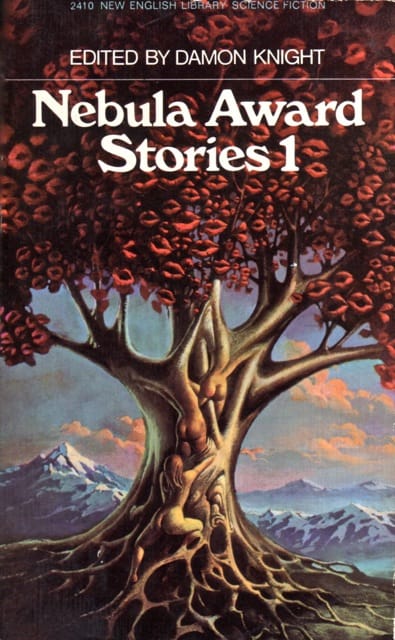
Here's a 2017 blog post from SF Ruminations' "Adventures in Science Fiction Cover Art" series, a format that should feel familar to any regular readers of this newsletter. This one's a great collection of human-tree hybrids! I love the 1969 Bruce Pennington cover to Nebula Award Stories 1, edited by Damon Knight.
Music rec: I don't know what this is, but then again, neither does Mr Bongo, despite his "near encyclopedic knowledge of Brazilian music."
Next Time: Paying users get a look at the Bob Pepper science fiction illustrations I'm seeking for my next art book.